Herekind: human-led, tech-enabled estate administration
PodcastIn this episode of The Remarkables, we speak with Joyce Jiao, CEO and Co‑founder of Herekind.
The Remarkables podcast: Stories of people improving communities and inspiring youth. Listen now.
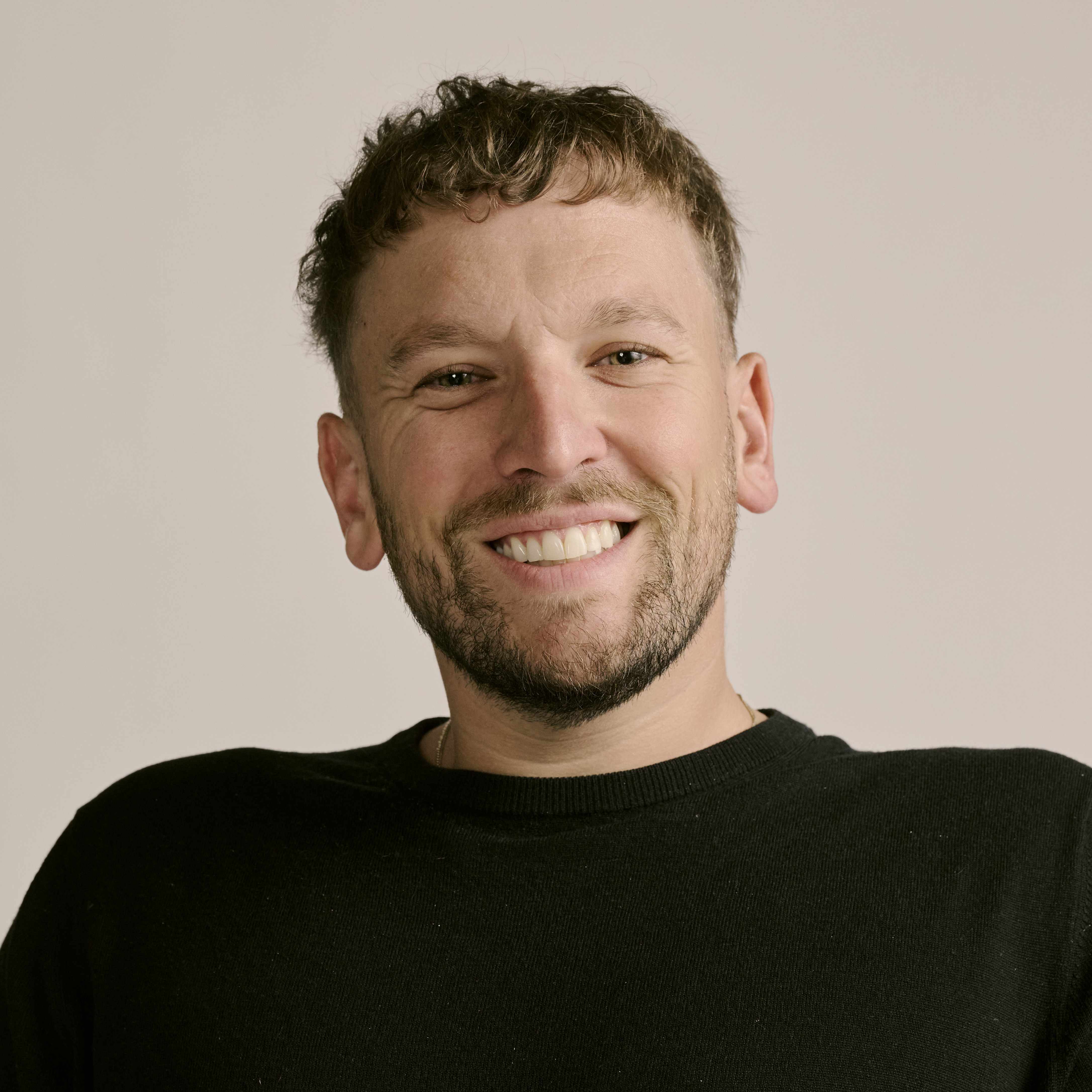
From winning four Paralympic gold medals to giving back to the community through philanthropy, acting and as a successful author of both a biography and kids books series, Dylan Alcott continues to pave the way and inspire young people living with disabilities. His goal is to see a world where disability is normalised – something he is achieving one career move at a time. So how is he showcasing the importance of representation and what would younger Dylan be most proud of today?
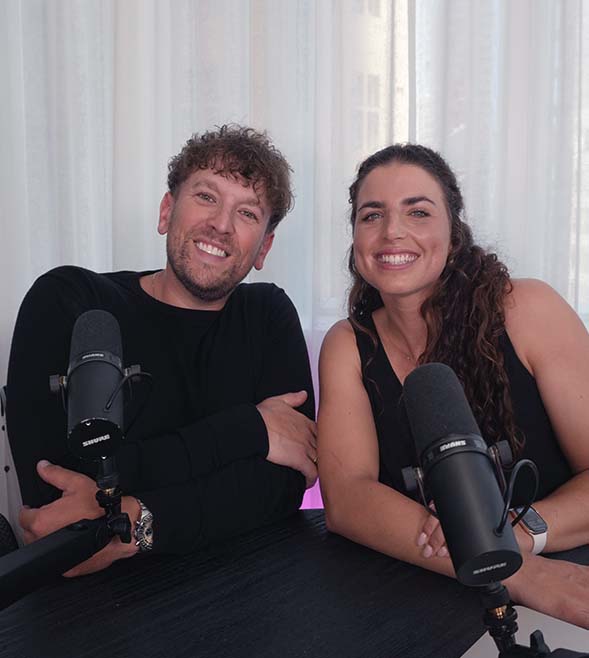
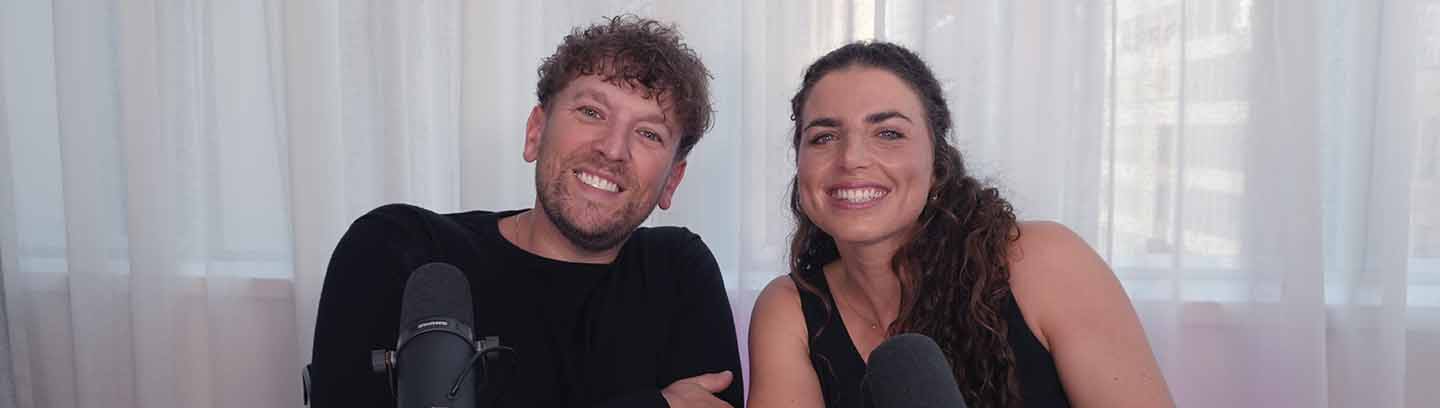
In this special episode of The Remarkables hosted by Jess Fox, Dylan candidly shares his experiences growing up, how sport changed his life and what’s next in his career. This chat brings together two athletes and friends who explore how sport fosters community, belonging and transformation.
Available on Apple Podcasts, Spotify or within your browser.
Click here for more information on the Dylan Alcott Foundation.
Upbeat intro music
Jessica Fox
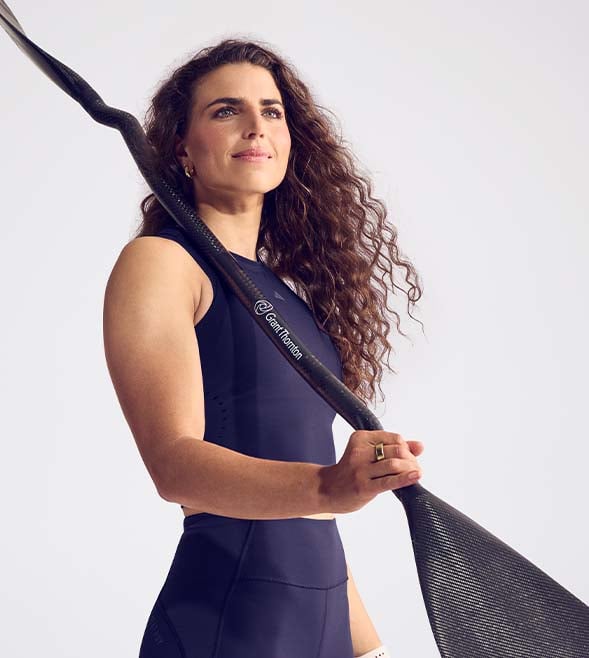
Welcome to the Remarkables podcast. I'm Jess Fox, Grant Thornton's brand ambassador. Today, I am excited to be taking over the podcast to have a conversation with a friend, a fellow athlete, an inspiring role model, and someone that I really admire – Dylan Alcott.
Dylan Alcott
It's not every day one of Australia's greatest athletes gives you a call and says, "Can you come on my podcast with Grant Thornton?" So, I was like, Jess Fox, I'll come.
Jessica Fox
You'll come; you’ll be here.
Dylan Alcott
So, I really appreciate you having me here. No, this is cool. We've known each other for, like, what, over a decade?
Jessica Fox
I'd say so.
Dylan Alcott
So, kind of when our sports were a bit off-Broadway, I would say, right?
Jessica Fox
Off-Broadway..
Dylan Alcott
Is that a good way to put it?
Jessica Fox
Yes!
Dylan Alcott
We had won gold medals. We were doing sport, like the Paralympics wasn't getting in the mainstream. Your sport wasn’t in the mainstream. We kind of became friends, and now it's pretty cool to see what you're doing, and very proud.
Jessica Fox
Well, I mean, I was meant to introduce you and how…
Dylan Alcott
Sorry, but I wanted to get that off my chest.
Jessica Fox
It is wonderful to be here and finally have this conversation, and I think, when I was thinking about how to introduce you, there is no one word or profession to describe you, Dylan. Like, you are – I mean, except maybe an all-round legend.
Dylan Alcott
Thank you.
Jessica Fox
But you are a business owner, a motivational speaker, a philanthropist, radio host, TV personality, actor and author, former Australian of the Year, and before all of that, you were a champion wheelchair basketball and tennis player, a multiple Paralympic champion. Did I miss anything?
Dylan Alcott
I’d like to say washed-up athlete.
Jessica Fox
Washed-up athlete.
Dylan Alcott
Yeah, that's what I go with. Washed-up Australian of the Year. Washed-up athlete. Yeah.
Jessica Fox
Well, today we're going to touch on a bit of everything. I'm sure it'll be an inspiring chat. Thanks for joining us. I’m looking forward to, you know… the coffee's coming in. You ordered an iced double espresso.
Dylan Alcott
I'm very Melbourne, you know what I mean?
Jessica Fox
You're very Melbourne.
Dylan Alcott
Yeah. So, every time I order double espresso and ice, everyone's like, "Where are you from?" I'm like, the inner north of Melbourne. It's a very Melbourne coffee.
Jessica Fox
But you're a busy man. You've had a big week. What does a week look like for you these days?
Dylan Alcott
Oh, I do lots of cool things. I think I'm very lucky. I'm not too dissimilar to you, Jess. Like, we just have good people around us, right, who enable us to get out and do our jobs. That's why we're here with Grant Thornton today. Like, they support you so well, and, you know, I think the foundation is one thing I'm really proud of – the Dylan Alcott Foundation. Average name, I know. Very unoriginal name. We were in a rush and you know what you what?
Jessica Fox
The DAF.
Dylan Alcott
The DAF – thank you. We're trying to rebrand it to DAF, but everyone's like, Dylan Alcott Foundation.
I'm like, stop saying my name. We directly invest in young kids with disabilities. So we have hundreds of kids that we're paying to go to school and university, sporting equipment. We had 11 athletes go to the Paralympics. How cool is that? With our academy we do with Nike, we supported young musicians who are now… like, with cerebral palsy – Cooper – he's playing in Ibiza now. How cool is that, right?
And also run awareness campaigns in advertising and a bunch of different things, and I really love that I do a lot of speaking like you do, and it's pretty cool that you and I get trusted to get up there on stage and share our stories and help people. It makes you and I feel weird, like we're just kind of being ourselves, but the impact that it has is awesome.
And, yeah, you know, we both work on Nine together, we do TV. I've been acting, as you said, which is cool, which I'm sure we'll get into.
So, my mantra in life is I just love doing cool stuff with cool people, and I'm just very lucky that a lot of people keep backing me so I can get out there and do it.
Jessica Fox
And it's incredible just listening to you rattle off that list – the different industries you've tapped into, the number of people you've inspired, impacted, and supported. I'm sure in a way it feels like you're giving back because so many people helped and supported you along the way. And, you know, what would little Dylan think of all of this? Take me back to what he was like as a kid and what were his dreams?
Dylan Alcott
Oh, it's so funny. Like, we're doing this chat today.
Our coffees are here. I just want everyone to know, on the podcast, I'm a diva. And I got here, I was like, "Mate, can I have a coffee, please?" I love that. Cheers.
Jessica Fox
Enjoy your double espresso on ice.
Dylan Alcott
I'll be on the plane. You know what? I had a cool moment yesterday. I own a wheelchair company called Rove Wheelchairs, right? They're 3D printed, titanium carbon wheelchairs. And I remember when I got my first wheelchair, I hated it, right? I hated it. And I was so embarrassed about my disability. I wasn't proud of the person that I was. And I believed this shame story that having a disability – the media told me, movies told me, TV told me – that having a disability is the worst thing that can happen to you outside of death, right? And we all believe that, you know, you might have your parents, my friends, whatever. And yeah, we had this – we're in Sydney at the moment, and we had this day where people came and checked out our wheelchairs, and there were just hundreds of kids, right?
And I'm like, I used to hate my wheelchair. Now I've got a company where kids are coming in saying, "I want this wheelchair," right? It's such a full-circle moment. And, you know, little Dylan really wasn't proud of his disability, right? And I never thought – I got bullied about it. And I sat at home for two years of my life eating junk food, playing video games, not even wanting to go to school and leave the house, and the biggest regret that I've had in my life was I didn't tell anybody how I felt for two years. I didn't tell my brother, my friends, my family because I felt like an embarrassment to them. And I learned back then, very young, when I was like 15, the – the power in being vulnerable, right? The power in asking for help when you need it.
We, as leaders – you’re a leader – we don't have all the answers, do we? Like, you know, people think you know everything about canoe and kayak. You don't know everything, right? You just know what you know, and you're always trying to get better. I don't know everything about disability. I just know my lived experience, right? And I think leaders, especially in business, think we have to be these stoic legends who have all the answers. Yes, you've got to be strong sometimes. But it's not weakness to say, "Hey, can you come here and do this with me?" Right? That's not a sign of weakness. Dylan
And I learned that really young. And it's helped me become who I am. And once I asked for help, I realised I was being silly. And for every one idiot that gave me a hard time because of my disability, there were 10,000 other legends worth my time. And I think little Dylan would – the advice I would give him is, one, get a better haircut because I had a shocking haircut. I think I tried to make dreadlocks out of –
Jessica Fox
Rite of passage for everyone, isn't it?
Dylan Alcott
I would tell him to move his bed out of the pantry because I was eating way too much junk food and I was a lot bigger than I am today. But thirdly, I'd be like, "Mate, be proud of who you are and get out there, be a good person and enjoy your life." Right. That's what I would say. And I'm doing that now, which is pretty cool. And yeah, I think he'd be pretty stoked to be seeing what I'm doing – even sitting here right now.
Jessica Fox
Absolutely. You mentioned how tough school was for you. How did sport help you through that? Was there a moment where sport changed the way you saw yourself?
Dylan Alcott
Oh yeah, great question. Sport saved my life. People think I'm just saying that flippantly. It did, and I'll give an example why. I loved sport like you love sport. We're from Australia, we love sport. Your parents were obviously great athletes, and I played with my brother, right?
And, you know, he's my best mate. He'd throw balls at me. If I didn't catch it, it's going to hit me in the face, right? So – and I was good with my hands because I obviously skipped leg day, so I was very hand-dependent, and I remember going to school and in the playground, I’d get involved. But then, you know, when it was proper sport, I'd be the manager or the timekeeper.
Jessica Fox
Yeah, like not included.
Dylan Alcott
This sucks. I'm kind of included. I'll try my best, but I couldn't play, and then I found Paralympic sport and I remember when I started, there was one place in Victoria that played wheelchair tennis. I'm from Melbourne, it was in a place called Footscray, which wasn't near my house, and it was a 1.5 hour drive there, 1.5 hour drive back – the only place to play tennis.
And I went there – my parents drove me – and I remember I played my first tennis tournament when I was 11. I was really bad, in a place called Thurgoona. Do you know where Thurgoona is?
Jessica Fox
Never heard of it.
Dylan Alcott
Yep, just outside of Albury-Wodonga.
Jessica Fox
Oh yeah.
Dylan Alcott
And I got to this tournament, and I saw a guy in a wheelchair driving a car. I didn’t know he could do that. He had a family.
Jessica Fox
Yeah.
Dylan Alcott
I didn’t know he could do that. He was having a beer. I wasn’t – I was 11. But he was having a beer, and he had a smile on his face. And I wasn’t happy, right. And I remember looking at that and thinking, the social element of sport was the best part of my career. Meeting people like me, finding my community, my tribe, seeing people thriving with a purpose. Gold medals and Grand Slams are great, you'll agree, but it's not the best part about what we do. We – I want to hear your point of view on this, but it's not, right? It's like – yes, when we – when – I remember, I was there when you won in Paris, right? Unbelievable – and your sister.
The best part about that was your family being there and you celebrating with them. Like, that's the best part, correct? Like, that's what I remember when I won gold. Like – yes, I remember being on the podium and you had the best celebration ever when you cheered on that. But it's like those –
It's the journey there and sharing that moment for me. And that's why that social element of all what we do and the emotional parts – the best bit.
Jessica Fox
Yeah, it's amazing because people often just see the gold medals, the Grand Slams, but we talk about sport as so powerful to find connection and build skills like resilience, and then, you know, I've heard so many athletes, Olympians and Paralympians, talk about it in the sense of finding belonging as well –
Dylan Alcott
Yep.
Jessica Fox
And the way the feelings that sport evokes, and it's – to me, it really resonates because it sounds like you've taken those experiences that you've had as a kid that really shaped you, and then the confidence that you build as an athlete, and you've been able to create impact and make something that's so much bigger than just sport.
So, I want to know, what are some of those things that you're doing with the Dylan Alcott Foundation, Ability Day? How have you brought that into schools and learned from your experiences?
Dylan Alcott
Yeah, I think, and I say, you know, jokingly, like, you and I did do sports that weren't in the mainstream. For me, disability at all wasn't in the mainstream, right?
So, I'd won a gold medal in wheelchair basketball when I was 17 and a silver medal in London, and no one really knew. Right. A little bit. Not really. And then I went to tennis, and I played my first Australian Open in 2014. Because I played both as a kid and my first match, there were four people there at this roundabout and three of them were my family.
My last match there was 20,000 people at Rod Laver, 100 million people watched on TV globally, and the Channel 9 news held the news to watch the match point because the last time they did was Shane Warne's 700th wicket. That's a wheelchair athlete. A Paralympian. But I don't care about any of that.
The best thing about that – there were 500 kids in wheelchairs there. That was the best part of that day. Never seen that many kids in wheelchairs in one spot in my life. Right. That's what it's called. It's amazing. And now, when you've done it, like you – everyone's like, yes, it's normal, right? But it just wasn't normal. Like, you know, I didn't sit down and scream watching canoe kayak ever. Until I met you.
Jessica Fox
Yeah.
Dylan Alcott
Right? Ever. Right. But now I'm like, now you're ducking gates with me. Now I'm like, I was there, I was dying. I better fall into my chair. I was so into it, right? Like, you know what I mean? Yeah. But now it seems normal, right? Because you've done it. And it's nice to reflect sometimes. I try not to. You don't reflect. We don't.
But that's why I do what I do. Yeah. I get out of bed every day to change perceptions. My purpose is to change perceptions so all people with disability can get out and live the lives they deserve to live, and that's what we do at the foundation. Like you said, Ability Day, which is our new initiative on International Day of People with Disability – a schools’ program. You went to school, correct? How many minutes of disability education did you do in 13 years?
Jessica Fox
I couldn't tell you.
Dylan Alcott
Zero. I did none. I had to educate my mates.
Jessica Fox
Yeah
Dylan Alcott
Right? As a 13-year-old, that's hard. And I didn't do it because I was scared. So, to go into schools and create content and educate them, that you should be proud of your disability. Disability is not bad. It's a normal part of life, right?
And we can do so many things when we are given the chance, and our lived experience is heard. That's why we do it. We run a music festival called Ability Fest, which is our big fundraiser event. It's just like Coachella or Glastonbury or Beyond the Valley. We just have some added accessibility features so people with disability can come party with their able-bodied mates.
Auslan interpreters on stage, every lyric. Have you ever seen Auslan to rap music? Unbelievable. Like, crazy. We have pathways, platforms, sensory rooms for the neurodivergent community. And how cool is this? Like, I went to Coachella – I go there a bit. I'm very lucky that one of my best mates, very proud of him, he's a guy called Dom Dolla who's a big –
Jessica Fox
Yeah, I went with Dom and just –
Jessica Fox
Name drop.
Dylan Alcott
Yeah, and the head of Coachella reached out about accessibility and I was like, "Mate, we just love what you do at Ability Fest and we do some of this stuff here."
How cool is that, right? Yeah, like all the – and then all the major events in Australia: the tennis, the Australian Open, the Australian Grand Prix, all these music events. They all come to Ability Fest and now do the stuff we do at their events. Why? Because people with disability want to go to events. Yeah, that's why. And you make more money when you are accessible and inclusive.
Yes, it's the right thing to do. But it's good business being inclusive and accessible as well because there are five and a half million people in Australia alone with some form of disability – visible, non-visible, one in five Australians – and we are getting left out of this economic conversation as consumers, but also as employees, as friends, as partners, you know, to be able to do that. And yeah, we just keep, as I said, trying to do cool stuff to shine a light on it and base it on disability experience with the people that we work with.
Jessica Fox
I think I've heard you say before that it's not just about the ramps and the lifts. Like, that's the hardware – I think you might have used that language before. I don't know? That's super important. I've done a bit of research.
Dylan Alcott
Look at this. I’m loving this.
Jessica Fox
But that's important for the inclusive environments. But I think it doesn't stop there. It's also about the attitude.
Dylan Alcott
Yeah, but what about the software?
Jessica Fox
Software – the attitudes and the opportunities –
Dylan Alcott
And the unconscious bias –
Jessica Fox
And listening to the lived experiences. And, you know, obviously this is a program with, you know, the Ability Days mostly targeted for schools, you've got the festivals, but what can workplaces learn from it and how can they, you know, get involved as well?
Dylan Alcott
Yeah, it's a great question and I love that you said that because I'll give an example. We're in a very, very fancy podcast studio right now. It's beautiful, right?
It could have all the ramps and rails and screen readers they want. But if I roll into this room and people treat me differently because I'm disabled, there's no point having that stuff. That's called the ramps and rails – accessibility. The other part is inclusion. They're not the same thing, right?
And you can upskill and change the way you think about disability just by making an effort. And the best way to do it, you know, is – I say there's three things to get a start. First and foremost, I keep saying this word, but it's so important: listen to lived experience. Don't tell me what I need, ask me what I need. I'm not saying go up to some guy in a pub who looks like me in a wheelchair and say, "What happened to you, champion?" Right? That's not the right way to do it. Obviously, you've got to build a rapport. But you can ask people questions to make this more inclusive for people. It's a really good way to learn. That's one.
Secondly, lift your expectations of what you think we can do. I always say as a joke, people say to me, "What kind of job would someone like you be able to do in a wheelchair?" And I say, "Be your boss." And they go, "You like it?" And they're like – it shocks them. I go, "What? Why not? Okay, you know what I mean? I don't even know what you do, but I could." And it's always like a funny way to check them.
I go, some people with disability might want to love packing shelves. That's what they want to do. Other people might want to be a CEO – don't know, ask them. But you've got to have an expectation that we can contribute equally, if not better, than anybody else. That's second.
And all that is irrelevant if you don't provide opportunity. That's the third thing. If you place a glass ceiling on us, we won't be able to smash that unless we do it together. It's about co-designing, allyship, and getting it done together. It's not you doing it for us or we telling you how to do it. So, let's do it together. I'm not here living my life because of what I've done. It's because people opened the door so I could come through – television, podcasts like this. You and Grant Thornton invited me in, you know, and this is powerful stuff because you get the opportunity to talk about it. And, like, I want Australia—can you believe that? Remember when we were –
Jessica Fox
I can't believe that!
Dylan Alcott
At the AFL Grand Final together. Like, no one knew. We were like, "Hey, how you doing? I'm Jess and Dylan." Like, you know, we were little ratbags there together. Like, it's incredible. And that's not because of me. It's because of ‘we’.
I always say we won Australian of the Year. We won 15 Grand Singles Grand Slams. Everyone's like, "You did." I'm like, no. Without my team, my family, my friends, but most importantly, the Australian population caring, telling their kids about disability, turning on the TV—that created this. So, I got the platform to say things I'm passionate about, and then next minute, things like that happen, which is just crazy to think.
Jessica Fox
It really comes back to that – you can be what you can see.
Dylan Alcott
Exactly.
Jessica Fox
And I feel like you are putting it out there. Everywhere you go, you're leaving this, you know, this Dylan magical trail and carving the path for so many people behind you, I think, but –
Dylan Alcott
And that's what it's about. Like, I just want to be redundant one day, right? Because I want there to be so many people with disability on TV, so many people in the workplace, so many people in leadership positions in the workplace, in politics. So, I don't have to – we don't have to talk about this anymore, right? And we're getting there, and that's the way we want to move forward.
Jessica Fox
You mentioned glass ceilings before. I don't know if you've ever had a glass ceiling above you, because you were not only successful in one sport, but in a second sport.
I love talking to people who are able to win and win again, and someone like you who completely dominated. I'm always inspired by people who can reinvent themselves, who can win, who can keep winning, who can maybe find new ways and innovate. And you did that in not one, but two sports.
So, I want to know, what was your mindset that allowed you to move from a team sport into an individual sport, to go from Grand Slam to Grand Slam – the pressure, expectation?
Dylan Alcott
I fell into it. So, I thought I was going to retire from sport in 2012. After London, I was done with basketball. I went backpacking around the world by myself in my wheelchair with a few mates in different spots, which was awesome. Experience taught me a couple of valuable lessons. One, if you ever need help in life, just ask for it. And 99 per cent of people help you, even with different language. Secondly, I cannot tell you how many stairs there are in Europe.
Jessica Fox
I'm visualising the Paris underground and what a nightmare that would be.
Dylan Alcott
It was like an episode of Wheelchair Survivor. I was like, oh, another broken elevator. But we got through it. It was awesome. And I got back and just had a hit of tennis to get fit again and realised that I loved it and, you know, did I think I was going to win, you know, 15 Grand Slam singles titles, be ranked number one in the world five straight years, three more gold medals? Absolutely not. But how's this? When I went from basketball to tennis, I lost my first nine finals in a row.
Because of two reasons. One, there's no clock in tennis, right? In basketball, if you're up by 20 points, you just hold the ball, you win, or you get subbed off if you suck, which I did sometimes. Tennis, you've got to do something. I just got the ball in. I kept losing. Secondly, I felt like a bit of a fraud out there because I kind of fell into it so quickly. I wasn't being my authentic self, right? It was interesting.
I was trying to be someone that I wasn't because, yeah, I felt uncomfortable in the big situations. Not the pressure, but just how people kind of perceived it, if that makes sense. And then I remember being in – I was very lucky. Tennis is the only Paralympic sport where we are included in the mainstream able-bodied event, right? Like, I was one of the – I got voted in the world All Star Five in basketball, so the best five in the world. I never met LeBron James in the locker room. At the Australian Open, Roger Federer calls me 'Dyl’ because he's in the locker next to me. Crazy. That's why all this happened, right? So grateful for that.
You know, I've got friends – Ash Barty, Andy Murray, the Serena Williams of the world, you know, like, they backed wheelchair tennis. If it was good enough for them, it's good enough for everyone else. That's why I backed that we could do this and change the perception.
But I remember seeing them behind closed doors. And you'll know this as an athlete – people are so different. What works for them, works for them. Don't try and be someone you're not, because when you perform, when the pressure's on, you won't win, right? Because your subconscious knows that you're fronting and not being your authentic self to be able to perform at your best. And I'm a firm believer—I love this. One of my favourite sayings is I hate it when people say, "Jess Fox rose to the occasion." No one rises to the occasion. You actually sink back to your habits.
Jessica Fox
You fall to the level of your training.
Dylan Alcott
Thank you very much.
Dylan Alcott
And if you're training, if you're being your authentic self – and you know what my authentic self is? I'm actually really fun out there. I have fun. I'm chatty to myself. I say things like, "Good shot, Dyl," to myself.
Jessica Fox
You've got to coach yourself.
Dylan Alcott
Positive self-talk. Guess what I wasn't doing? I'd go on the court. I wasn't doing it because I was embarrassed. And then I went, whoa. I saw how Roger got ready for a match. He's, like, doing his hair in the mirror and, like, you know, being very chill and saying, "G'day."
Dylan Alcott
I saw Rafa, who is one of the loveliest dudes, but so lovely – always like that. But before a match, he's super intense.
Jessica Fox
Yeah.
Dylan Alcott
And I thought, I've got to be intense. And I'm like, oh, but I'm not actually an intense guy, you know what I mean?
Jessica Fox
Yeah.
Dylan Alcott
And then I realised, wow, I've just got to sink back to the level of my training and sink back to my habits, which is being me. As soon as I did that, it clicked, unlocked everything. Right. And I had more fun, and I enjoyed it. And I was a better advocate and a better friend and a better person and a better tennis player, and all this kind of stuff. I'm always going to be me more. And don't – I was kind of thinking, oh, people might not like when I was in the media. All right. I'm one of the first people with a physical disability doing this, which sucks, because – the reason I'm doing it is the people that came before me. But do I have to change who I am so the Australian public would – I'd be digestible, you know, so I look like you? And I was like, nah, it's going to be me and see what happens.
And I'm so glad I was. And that's why I think the three biggest things in my – people love using words like resilience and grit, buzzwords. My big three things are: one, you've got to work hard; secondly is the power in vulnerability, which I touched on before –
Jessica Fox
Yeah.
Dylan Alcott
You're a product of the people around you, right. And being vulnerable to ask for help and get better and say when you're not having a good day is so important. And that third thing is the power in authenticity. And that's probably the scariest thing, because it took me 29 years to fully feel worthy of love and worthy of my disability. And I'm 34 and you've known me for how long? 15 years?
And you're like, "Look at Dylan. He's on Triple J. He's cool. He's got it going on." I was just—deep down, I didn't. And the reason I got there is I worked really hard on it and I, you know, got a mindset coach, Ben Crowe, and – or I even just talked to friends more and genuinely, and, you know, to get in that spot is pretty cool. And it really opens up all your life. That's a long answer.
Jessica Fox
Thank you for sharing that. I think you went through hard work, of course. I think as athletes, that's the baseline, right? And then you build your superpower, which is being yourself, and being vulnerable, I think, is one of the most important skills we can develop. So, thanks for sharing.
Dylan Alcott
Yeah. And like you and I, gold medal-winning, world champion athletes, right? That might be unrealistic for other people, but it's all relative to what you do.
Jessica Fox
Yeah.
Dylan Alcott
Right? Whether it's Grant Thornton's team, someone listening to this who works within the four walls here, whatever it is, right? It's all about literally having a crack and getting better every single day in whatever you want to do, right? It might be being a better mum or dad or friend. And I'm not saying you've got to go see a mindset coach or get a psychologist. You might not want to or can't afford to.
Go for a walk outside and talk to a friend, listen to a podcast, right? I just try and learn little bits every day just to get better, right? I'm learning off you today. We're learning together. Like, I can't believe that we're sitting here doing a full broadcast together. Like, this is so cool.
Jessica Fox
It's just a coffee. Coffee with a friend.
Dylan Alcott
How nice is this, though? But, like, we don't know what we're doing. Like, you just learn on the fly and have a crack. And I think the reason you and I – I'm going to embarrass you – but, like, we had the Paris Olympics. I was hosting for Nine. You obviously competed, won. You then did the Paralympic broadcast, right? You did some content. I was so grateful and proud you did that, by the way, and I should have texted you because you could have just gone and, you know, had a party and you were like, "I want to support the Paralympic Games." I'm actually getting a bit, like, tingly saying it to you. Because not many athletes would do that. I'm very grateful for that. But then I'm at the tennis and, like, who's our roaming reporter? It was you. I was like, "You've done this before." I was like, "What are you doing here?"
Jessica Fox
I didn't know what I was doing.
Dylan Alcott
You know, what are we doing? I knew it. And I was like, yes. Because you're just like, "I'll do that. I'll put myself out there. I'm going to have a crack at doing it." You are awesome, right? And that's how you get things in life – putting yourself in situations you might not be comfortable in and making your own luck in them.
Jessica Fox
Yeah. Challenging yourself, that's where the growth happens.
Dylan Alcott
And you enjoy it, right? A lot of people go, "I don't want to do that because I'll embarrass myself." Okay, maybe, who cares? No one cares about – no one's thinking about you. You think they are, but really, they're just thinking about themselves. Get out there and have a crack at it. And I think that's, you know, the biggest advice we can give because people think you and I've got it all sorted, but, like, we don't know.
Dylan Alcott
We just do it. We just do stuff. Right? We have a crack.
Jessica Fox
I think you never know how it's going to go, but you won't know unless you try. And you'll always regret it if you don't try, right? What role does sport play for you now? I saw that you've taken up a bit of golf. Is that social or is that competitive?
Dylan Alcott
I don't know.
Jessica Fox
I've seen –
Dylan Alcott
I'm getting good, though. I don't like saying I'm good at things, but I'm getting pretty good.
Jessica Fox
I saw a video of you that has like 3 million views.
Dylan Alcott
Crazy, yeah.
Jessica Fox
Single arm –
Dylan Alcott
Like, I had to drive it like 200-plus metres one-handed. It's funny when I play golf with people because for the first four holes they're really impressed and love it. And then they get a bit sad because they're like, "If I lose to a guy in a wheelchair with one arm who's sitting down..." But, you know why I love it?
Jessica Fox
Why?
Dylan Alcott
I put that video up and I've always loved golf. Never thought I could play. And I met the team at Callaway, and they've bent the clubs down, so they sit flat, like 21 degrees. And they're like, "This might not work." I did it at Mick Fanning's golf day because he made some nick and I drove the cart with a putter because I can't use my feet – just handing out beers. That was my involvement because I couldn't play golf. I'm like, no, we'll figure this out.
Anyway, I started, it worked, and I put that video up. It's got like 10 million across all platforms, whatever it is. The amount of people that messaged me and said, "Mate, I've had a car accident," or "I've lost my leg, I never thought I could play golf again," because golf is probably not the most inclusive sport in the past. And they want to change that. Golf wants to change that. And they're like—so I'm like, I'll just keep putting videos up and all these people are like, "Mate, I'm playing golf again with my wife. I didn't know I could do that."
Dylan Alcott
How cool is that? And see, these are the things I like just doing. So, I'm not going to do professional or anything, but, like, I'm getting some cool – nah, I'm retired.
Jessica Fox
Golf might be in the Paralympics.
Dylan Alcott
Hey, PGA, I'm ready now. But, like, I'm working with Golf Australia now and doing stuff around inclusion and that. That's what it's all about.
Jessica Fox
Yeah.
Dylan Alcott
Most importantly, it's four hours where my phone's off and I'm outside with a friend.
Jessica Fox
Yeah.
Dylan Alcott
Which you and I don't get a lot of.
Jessica Fox
It's a good way to switch off, connect.
Dylan Alcott
Yeah. And, like, you know, even just this, like, you know, I keep forgetting we've got microphones here because we're just friends catching up. And I probably don't prioritise that enough in my life. I know you don't either because we've got a lot on. But I've learned- when I was Australian of the Year, I did 245 days on aeroplanes.
Jessica Fox
Oh my God.
Dylan Alcott
300-plus, you know, talks and appearances and going to hospitals and meeting people and all that kind of stuff. And I didn't look after myself and I ran out of juice, and I learned a valuable lesson. There's no point getting out there and trying to live a good life and support people if you're not looking after yourself. So, I've got a lot better at, you know, putting things in my diary to sit on the couch, nothing, block it out, go for a walk with my dog, Sauce, whatever it is.
Jessica Fox
Yeah. You've got to preserve that time, don't you?
Dylan Alcott
Definitely.
Jessica Fox
I saw that you were at the TikTok Awards yesterday, and there are so many creators online now who are breaking down those stigmas and using humour and showing their personality and maybe the challenges that other people might not usually consider, and the incredible things that they can do. And, you know, you've talked about how you didn't used to see yourself on TV, you didn't used to – I mean, now you're the one on TV. You switch on the TV, and you can see yourself on a TV show.
Dylan Alcott
Just like to apologise to everyone. I'm at Grant Thornton, I suggest, everywhere. It's probably like between you, me and Ariarne Titmus, we're going to – there's a lot of us.
Jessica Fox
You'll get sick of us.
Dylan Alcott
Hopefully you like us all. Yeah, we love Arnie too. Yeah.
Jessica Fox
I mean, Bump, Strife –
Dylan Alcott
Yeah.
Jessica Fox
Rocky Horror. You're an actor now. Tell us about that.
Dylan Alcott
Probably. One, yeah. I've always wanted to – just didn't tell anyone.
Jessica Fox
Okay.
Dylan Alcott
Two reasons. One, I like sharing stories, storytelling, challenging myself.
Secondly, when I saw an able-bodied, non-disabled actor sitting in a wheelchair playing a role, it used to kill me. Yeah, and that role was always a sympathetic, negative role where it's like the sad character or the car crash victim. It's like, why can't we be like a rock star or a murderer or, you know, whatever it is in the character base? I was like, and we also don't have to play disabled characters all the time. We can just play a character.
Jessica Fox
Yeah, yeah.
Dylan Alcott
Like, you know what I mean? And so, yeah, I got cast in Bump, which was awesome. Strife with Asher Keddie. And then I did the Rocky Horror Show theatre, singing and dancing with my pants off for eight weeks, which was like a normal Saturday night, really. So – and I loved it. I was singing, I was fully going for it. It was like – I had fishnets.
Jessica Fox
Did you have singing lessons or –
Dylan Alcott
I used to sing.
Jessica Fox
Were you a theatre kid?
Dylan Alcott
No, I was in the Australian Boys Choir.
Jessica Fox
Okay.
Dylan Alcott
Do you know the biggest regret I had in my life? I told you the one about not telling people when I got bullied. But the other fun one – I could sing a bit. And my mum – my voice broke and that's now quite gravelly. Okay. And she's like, "Get singing lessons." And I was like, "Mum, singing's lame. I want to play sport." I regret that. I wish I kept singing.
Jessica Fox
It's not too late.
Dylan Alcott
No. Anyway, I did Rocky Horror and I did this role called the Narrator, which is normally, in inverted commas, a famous person who plays a role. But then they come in and out of character so that I'm the Narrator, but then I go back to being Dylan Alcott. And the crowd heckles you with stuff. They yell all these crazy heckles and you have to go – when they heckle, you go out of Narrator mode and you go into Dylan mode. It's really fun. But then they turn the Narrator's mic off when you sing. And I was like, "I can sing a bit. Leave my mic on." Not as good as my cast – unbelievable singers.
But they did leave my mic on just a little bit so you could hear me, which is quite nice.
Jessica Fox
That’s so good.
Dylan Alcott
And we choreographed the whole Time Warp because they were hanging to the Time Warp. I'm like, "Let's do it together." So I, like, jumped to the left. I bunny-hopped my whole wheelchair to the left. When I did the pelvic thrust, I did this—like, it was so fun. I was doing little wheelies and stuff.
Jessica Fox
So good.
Dylan Alcott
So, yeah, it was really cool. And, again, I was the first person with disability ever in Rocky Horror globally. Cool, you know what I mean? They've been going for 100 years, whatever it is – unbelievable. So, yeah, I keep getting – I've got a couple of really big auditions in America and stuff.
Jessica Fox
So, there's some exciting projects.
Dylan Alcott
Yeah, it's all happening. Hopefully I get a few roles. And I'm also writing a TV show around disability, like a dark dramatic comedy, which is cool. I want to make a global documentary, like a travel documentary, like Anthony Bourdain style, based around the lived experience of people with disability. Already shot the pilot, so if anyone's listening from any of the big streamers, reach out. But as I said, just keep trying to come up with cool stuff and get it out there and, yeah, we'll see what happens.
Jessica Fox
Love, love, love. I mean, I think everyone's picked up that you're good at talking. Yeah, you can tell a story. And you've also got your own podcast, ListenABLE. Have there been any, you know, really memorable conversations, favourite guests?
Dylan Alcott
Oh, you know what the cool thing about ListenABLE is? Like, we mentioned the TikTok Awards. I had someone come up with a disabled kid crying and said, "Your podcast saved our lives."
Jessica Fox
Wow.
Dylan Alcott
Because they heard a story of a kid similar – so, same disability, but an adult achieving something. And they were like, "I didn't know my kid had that chance." So, it's about passing the mic to someone else. It's not about, you know – obviously this is about me and you and I talking right now. But we need a bazillion more people with disability getting their opportunity to have their story told. And that's one of my roles as a leader in the community – it's not all about me and Kurt Fearnley and Matty Rosario and whoever. It's like, there are so many other people with disability who deserve their opportunities to tell their own stories.
And, yeah, that's what we do at ListenABLE, which is pretty cool. And, yeah, you know, as I said, just trying to have lots of different cool ventures that I enjoy doing that hopefully support the community and have fun – have fun along the way.
Jessica Fox
I mean, you've done so many incredible things. I feel like you've lived so many different lives and I'm sure – washed up and old.
Dylan Alcott
When I said I'm 34, I'm like, it's actually not that old.
Jessica Fox
It's so not old. Your life's just starting. I mean, you're in every single industry I can even think of. But what are you most proud of? Like, what has been your most – the proudest moment in your life or career?
Dylan Alcott
Yeah, I just think, you know, just when I meet other people, you know, I struggle with the DMs and stuff, with people saying, "You're a legend." I know you do, too. Like, it makes you feel awkward, doesn't it, because you're just yourself. Like, people think I wake up and go, "How am I going to advocate today or change the world?" I never think about any of that. I wake up—it's hard enough going, "I'm just going to wake up today and be myself." And my two goals in life are, one, being a good person and, two, enjoying my life. If you want to call me an advocate or just an advocate, go for it. But, like, that's –
We don't control that, and I don't really think about it, right. I just kind of get up and do it. But, yeah, you know, when you sit back and you go, you know, just seeing young kids with disability getting the opportunity in sport now because of the very, very, very small role that I played—that's awesome. At the Aussie Open, when there were those 500 kids, I was like, that's epic, right? Yeah. And there are little glimpses of those moments all the time, but equally, I don't deserve all the credit.
There's a lot of people that came before me and a lot of people that are doing it right now. We're just doing it together. And, you know, I just want to look back on my life and say I played a role in that, basically, genuinely. And hopefully we're doing that for many –
Jessica Fox
More years to come. I'm sure if you were to—you know, you said that when you became Australian of the Year—was it in your speech where you said you used to be embarrassed by your disability, but now you love your disability? It's given you so much, you know, purpose, incredible life. It's who you are. You've gone from that, you know, changed it from that embarrassment into that pride. And it's given you the opportunity to have this life where you are yourself.
You inspire others, you give them, you know, hope and excitement to be themselves. What do you want to see, you know, in the next 10, 20 years? How do you see that in the future?
Dylan Alcott
Yeah, exactly that. And, like, it's so cool seeing the Paralympics mainstream now. I know there are only a few of us athletes who might be household names, but that's about to change. It's about to be hundreds. Right – L.A., Brisbane,
Jessica Fox
Milano, Cortina, coming up.
Dylan Alcott
Exactly right.
Jessica Fox
Exciting.
Dylan Alcott
And I love the fact that that has to happen across everything – mainstream schools, workplaces, walking down the street, dating apps, festivals, travel, right? I just want it to be so normalised that we don't talk about it anymore. I want that to happen tomorrow. But, you know, I think we're getting there. And, as I said, just play my role in being able to do that. I'm not retiring. You've got heaps –
Jessica Fox
I'm not retiring either.
Dylan Alcott
Good. What do you love doing this stuff? What do you want to do?
Jessica Fox
No, I enjoyed this. Yeah. I want to learn from you. You retire me, I think I was –
Dylan Alcott
Just like, you know, it's a good interview when it's like this, just chatting to each other.
Jessica Fox
I think, you know, a lot of athletes fear that transition out of sport and where they can go next. And I look at someone like you and you've had such, almost like, clear vision or clear purpose that whatever's next doesn't scare you because it's just an exciting opportunity to discover another facet of yourself and see where it can take you. And so, yeah, you inspire me. I don't know what I want to do, but I'm enjoying doing all different things. And having the opportunity to do this with Grant Thornton is great because you're someone that I consider a friend, but also, you know, someone who's so inspiring. And I think this conversation has been amazing for me, but I'm sure for all the listeners as well an –
Dylan Alcott
Like, big love to Grant Thornton as well, like, genuinely care about inclusion and obviously such big supporters of you. So to invite me here to talk about it – very grateful.
Jessica Fox
Dylan, thank you so much for coming on The Remarkables podcast. It's been such a timely reminder that inclusion is about creating spaces where every voice matters and asking those questions and how we can live and lead with purpose. So, you're an amazing advocate. You've built an incredible platform that amplifies all those voices. So, thank you. And if you liked this conversation, you can find more on the Grant Thornton Australia website. I'm Jess Fox, thanks for listening!
Upbeat outro music
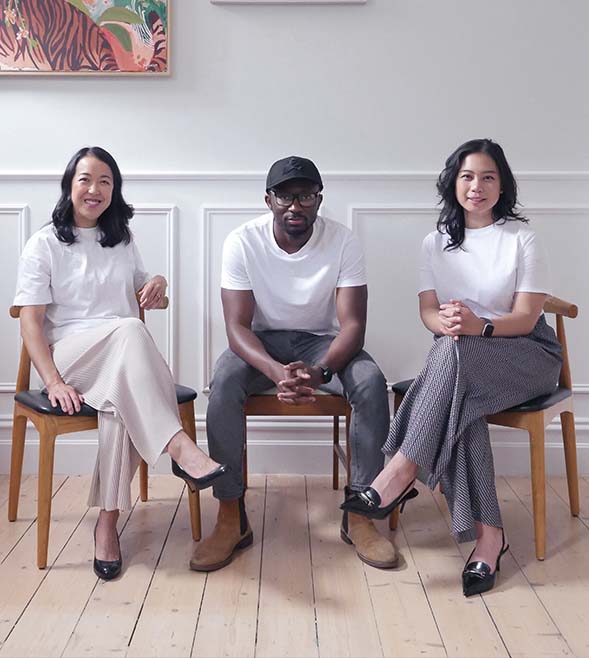
In this episode of The Remarkables, we speak with Joyce Jiao, CEO and Co‑founder of Herekind.
TRACTION For Young People is a not-for-profit organisation striving to make a real difference to young Australians aged between 12-15 who may be at risk of disengaging from school. In this episode of The Remarkables, we chat with Sandy Murdoch, Founder of TRACTION.
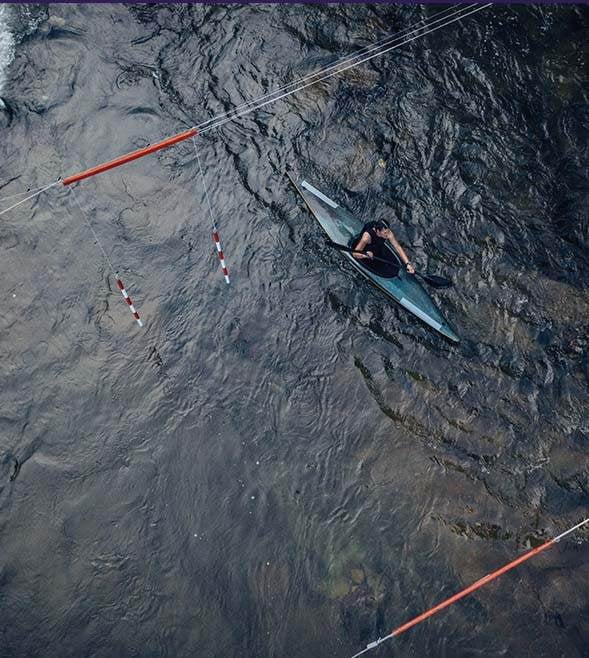
In this episode, we chat with Kim Crane, CEO of Paddle Australia, and Richard Fox, Head of the Host Organising Committee for the 2025 ICF Canoe Slalom World Championships in Sydney.
We wanted to uncover and explore remarkable stories about incredible people working to better their local (and sometimes global!) communities and inspire younger generations.
Our new podcast – The Remarkables – does just that.