Since 1 April 2022, employers located near paid car parks in shopping centres, hospitals, universities, etc. have had to consider whether FBT is payable on their employee car parking.
What has happened?
In February 2025, the Federal Court handed down a decision about car parking fringe benefits. They decided that a shopping centre car park in Toowoomba was not run to generate income, but to attract customers.
The car park offered free parking for up to three hours and discounts for some groups. The car park was not considered a ‘commercial parking station’ for FBT purposes and did not cause employee parking provided within 1km to be subject to FBT.
This was counter to the ATO view, as expressed in a public ruling, which took a much wider view of what is considered a ‘commercial parking station’. The ATO appealed this recent court decision and released a Decision Impact Statement, advising that they would continue to apply the view in the current ruling pending the appeal.
Then the Full Federal Court handed down its decision in relation to car parking fringe benefits in the case Commissioner of Taxation v Toowoomba Regional Council [2026] FCAFC 50. The specific issue under consideration, was whether a particular shopping centre car park was a “commercial parking station” for FBT purposes. If it was, given the lowest amount charged for daily parking was more than the relevant threshold, it would cause employee parking provided within 1km to fall within the FBT net. If it was not a commercial parking station, in the absence of any other commercial parking station, employee parking within 1km would not trigger FBT obligations. The car parking was free for the first 3 hours and then a progressively higher rate per hour was charged for additional hours, up to a maximum of $20 per day for more than 7 hours.
The ATO argued the shopping centre car park was a commercial parking station, the Federal Court had previously held that it was not, and the Full Federal Court has now held that it was a commercial parking station. In a nutshell, the decision turned on whether it was necessary for the parking station to be run with a purpose of profit in order to be considered commercial. The Full Federal Court held that the terminology of “commercial parking station” does not require a profit-making purpose, but merely being engaged in the nature of commerce, and concluded that this was the case for the car parking station in question.
What is the latest update?
The taxpayer sought special leave to appeal to the High Court, but in October 2026, this was denied.
What does this mean for employers?
This means that the current ATO position on FBT and car parking stands. Employers who provide parking to their employees, including outside of the CBD, need to be aware of any commercial parking stations within 1km that could cause employee parking to be subject to FBT. This might include shopping centres, but also hospitals, universities, and other carparks of this nature. If the fees charged for all day parking are more than the threshold amount ($11.03 for the 2026 year now ended and $11.48 for the 2027 year now commenced) an FBT liability may arise.
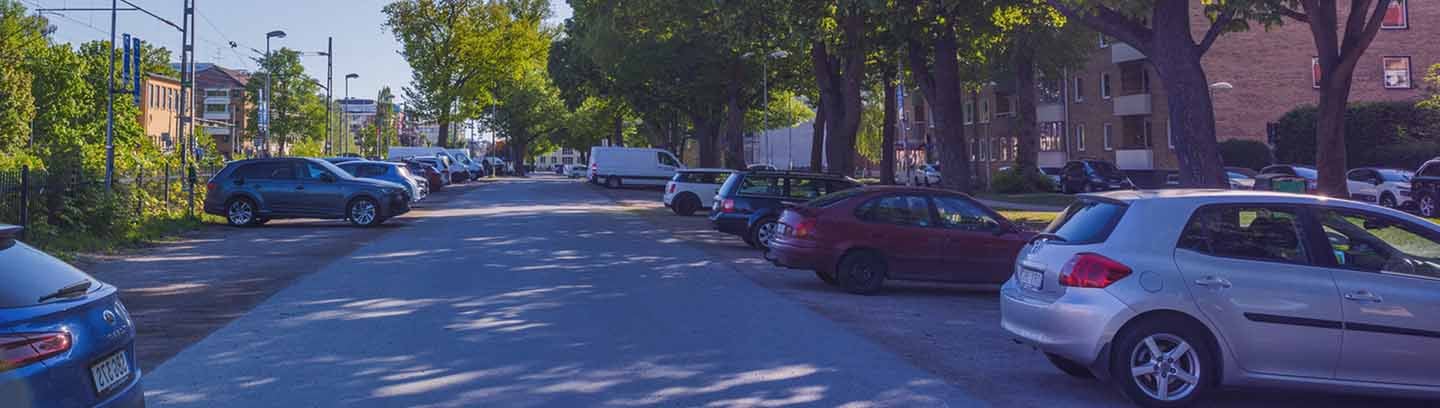
Tip: Consider whether you are even providing car parking benefits. If employees are parking in the street or in an area that is open to the public with no designated spaces for employees, then you may not be providing car parking benefits at all.
⠀
⠀
We’re here to help
Grant Thornton’s highly experienced Employment Solutions team can help navigate these changes. For further information or assistance, please reach out to our expert team.
Learn more about how our Employment tax services can help you