Upbeat intro
Rebecca Archer
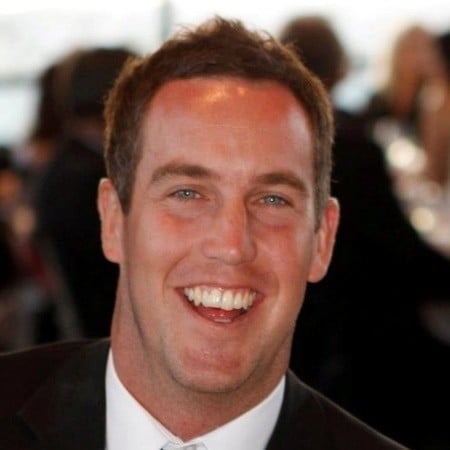
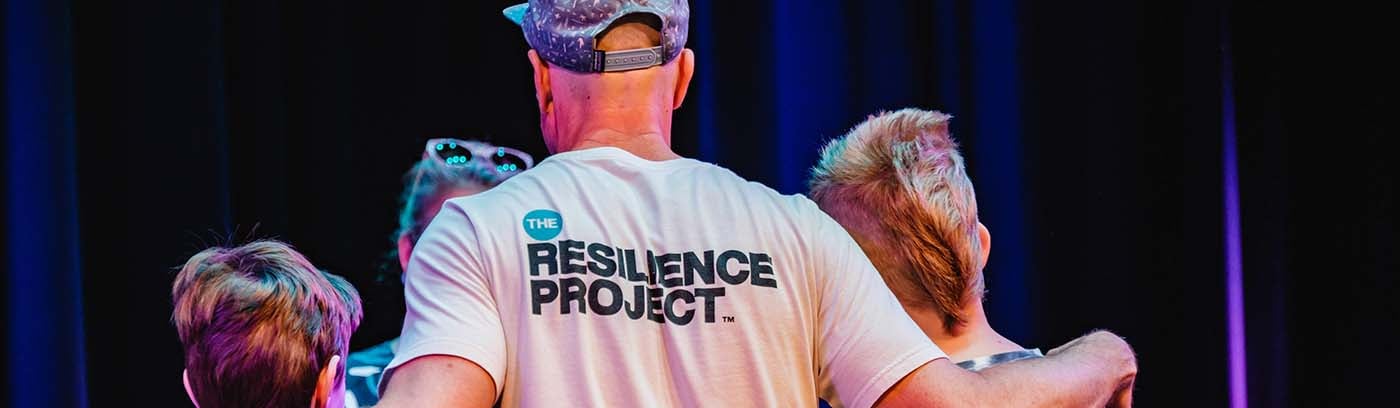
Welcome back to another episode of The Remarkables podcast! This series is about highlighting remarkable stories of people who are making positive contributions to their communities – within Australia as well as around the world.In this episode, we speak with Ben Waterman, CEO of The Resilience Project or ‘TRP’ for short, a national organisation delivering positive mental health programs across schools, workplaces and communities. Through open conversations, humour and relatable storytelling, TRP tackles heavy topics and equips children and adults with practical strategies to support and protect their mental health.
Welcome, Ben!
Ben Waterman
Morning, Rebecca. Great to join you. Really looking forward to having a chat.
Rebecca Archer
To kick off the episode, we're going to jump straight into a bit of a rapid-fire round. I'll ask you some questions at random where you can respond with just whatever comes to mind.
So first up, what are you reading or watching or listening to right now?
Ben Waterman
Yeah, a bit of everything, I think, Rebecca. So, I've gone back for a second time to read the book ‘Drive’ by Daniel Pink. It's the surprising truth what motivates us. It's a really good read. I'm also watching a program called ‘The Responder’. I love my British police shows on SBS and obviously listening to our podcast the Imperfects, which is a fantastic listen.
Rebecca Archer
Excellent, great recommendations. Thank you. All right, second question. When you were a young person, what did you want to be when you grew up?
Ben Waterman
I think a little bit of everything. So, I think I had a fireman on the list, a vet on the list, a professional sports person, and I think what I worked out is that I'm not sure I would have nailed any of those. I think I'm very lucky to be doing what I'm doing now.
Rebecca Archer
Last little rapid fire round question for you. What in your opinion makes something or someone remarkable?
Ben Waterman
Yeah, very interesting. I think for me is that anyone who is sort of faced with their own adversity or challenge, but then they can think about the bigger picture and how they might be able to help others. So the one that sort of comes to mind for me that's probably recent is just Neale Daniher and his selflessness and the way that you can look at beyond, I suppose, your own challenges and how you can have a bigger impact and help more people is pretty remarkable, I think.
Rebecca Archer
All right, so let's get into the actual content of the episode now. Where exactly did The Resilience Project begin?
Ben Waterman
The Resilience Project started many years ago. I think it was around a time for our Founder, Hugh van Cuylenburg, where I think the prior to the Resilience Project becoming an organisation in its own right, is that for Hugh and his family, unfortunately they had had the situation where his sister had experienced some pretty severe mental ill-health and I think it had a pretty significant impact on her and the family, and for Hugh there was always this drive as to understand what actually makes people happy and what could he do to be able to influence, even if it was just one family, not having to experience what his had had to go through, and I think that from that is that he actually found himself doing a little bit of travel, found himself in the far north of India, living in a village called Thiksey, and what he did do was able to observe what these people did within that village to make them very happy.
And I think is what he has shared with us is that they were some of the happiest people he had come across, and he was really intrigued as to, you know, what is that, what do they do that really helps them to be happy, and throughout his time there that he spent, he was able to observe sort of three key things and that was really around gratitude, empathy and mindfulness.
I think what he did understand is he couldn't come back to Australia and say to everyone, I think we should just start practicing these things because this is what I've seen. It was more of a case of him then going, I need to go back and do my post grad studies, and from that he actually found that there was an abundance of research that really supported the practice of these principles and the impact it can have on people, people's mental health.
So, from there he was really motivated to be looking at, you know, how can I get this message out to as many people as possible? And a natural sort of area to start was schools, given his background in education.
Rebecca Archer
I wonder if you're able to share a little bit about how you found yourself working for this organisation.
Ben Waterman
Yeah, happy to. Hugh and I actually worked together in a previous life. We actually worked in a school or an education setting where we were really trying to engage students through their passion for sport with their senior education, and I remember the day that Hugh came and said, “Can I catch up with you, Ben?”
And we sat down in my office and he said, “I'm absolutely loving what I'm doing at the moment, but I feel this real pull to go and start an organisation where I can really support young people with their mental health.”
And I just remember sitting there and thinking, “Amazing!”
Like to have the courage to go and do something like that, and the passion and the drive, I was really inspired by that, and I said, “Mate, if there's anything that I can do to help as you start out with this journey, would love to stay, you know, connected and in touch.”
And probably through those early years where, you know, it was really tough. We chatted at different times and then there came a point where he shared with me and said, “I think that there's some real opportunity here and I would love you to come and work with me at The Resilience Project.”
And I think at that time – it was an interesting time for me – I think I had a two-year-old and a four-year-old and at that point, you know, was very lucky to be doing what I was doing and I was enjoying the role that I was in, but similar to Hugh, there was a real pull for me personally as well, and I thought if I really want to have it make a difference and have some impact, I've got to take a risk.
And so, I remember sitting down with my wife one night and sort of saying, “This is really important. I really want to do this, and I think that this is going to have a big impact on a number of, you know, children, parents and right across the board and I'm going to give it a crack.”
And so that was the rest of history. That was back in 2017 and here I am sort of nearly nine years later.
Rebecca Archer
How has your role changed compared to when you started out all those years ago to now? What's different and what keeps you turning up every day?
Ben Waterman
Yeah, Rebecca, I think my role is very different now.
Obviously when you're working in a startup organisation – I think when I came on board there was five of us – so it was very much being. I likened it to being an octopus. It was doing everything. So, you sort of had to be across all different bits and pieces. There was some great learning in that, made lots of mistakes and had a few, you know, wins and positives along the way.
I think what we needed to do at that point was we were really trying to work out how to reach as many people as possible and that hasn't changed, you know, nine years later, but we were probably being everything to everyone, and a big learning curve was to go, where can we have the greatest impact?
And it was probably where the change has been is narrowing our focus in terms of, you know, who we're working with and trying to support. So, I think that that has really helped us to have greater impact with all of the workplaces, the schools, the early years, centres that we partner with and support, but I think the biggest change – and this is the thing that keeps me turning up every day – is we have the most incredible team of people.
So, we've got 40 people working at The Resilience Project and their passion and drive is just infectious and I think is we're really lucky to have just such a great group of people to be working with.
Rebecca Archer
What have you learned personally about resilience through your experience working at TRP?
Ben Waterman
Love sharing this one, because I think this was probably a bit of an “aha” moment for me is that the more positive emotion that you can experience helps you build resilience.
So I think with that, that was something that was a really important one for me, is because thinking about, you know, just the way often many of us operate is that we do have this negativity bias and we're probably, you know, seven times more likely to notice the negative than the positive.
So therefore, you know, how do we actually look for opportunities to focus on the positives? And I think that, you know, one of our key principles being gratitude is that that really helps the ability to cultivate that positive emotion and positive experiences.
So, for me is yet just looking for those opportunities to be positive as much as you possibly can, and then the byproduct of that is that's actually helping you to build resilience.
Rebecca Archer
It's really interesting when you unpack that, because I feel that that word resilience is born of rejection or you need to be able to fall and pick yourself up again, but what you've just described is actually having that foresight, I guess, to be able to say, “Well, look at all the good things that I have; look at everything that's going right.”
And it's not as far to climb, is it, back up when you can sort of look around and go, things aren't really that bad and there's a lot that I'm grateful for.
Ben Waterman
Yeah, I think you're spot on there, and I think that one of the key elements that I have also learned here is as well, is around that mental health continuum.
So, you know, up one end you've got I'm really flourishing and I'm a five and then, you know, down this end, I'm really struggling and finding some challenges. You know, at a negative five and, you know, somewhere in the middle, we're probably anywhere between a, you know, zero to two.
But ultimately, we're going to have these different times where we're going to be faced with challenge or adversity, and we're going to probably fall back on the scale a little bit, but if we can be practicing these strategies and thinking about how do we actually focus on some of the positives, we're able to bounce back a lot quicker, and that's something that we talk to, you know, all of our different audiences about, because we know that it's inevitable. It's more around what can we be doing to actually shift that?
Rebecca Archer
Let's do a bit of a deep dive into that when you talk about those strategies and maybe unpack a bit of the research that's behind the program. Specifically, you've already mentioned Gratitude, Empathy, Mindfulness, that ‘GEM’ model. What do people tend to struggle with the most in that little trio?
Ben Waterman
I think that, you know, when we talk about gratitude and empathy, they're probably concepts for people that they've got some reasonable knowledge on or have a level of comfort with.
I think probably mindfulness is certainly an area that people are still developing their understanding and level of comfort with. One thing that was shared with us was, you know, in thinking about mindfulness and what that actually means. You know, for us at TRP, it's really focused on intentional awareness and being present in the moment, and, you know, other people will have different definitions and different understandings of it, but I think for us, that's how we sort of see mindfulness, and I think the challenge for people is that based on some information that was shared with us is that we have the situation where we're spending 49 per cent of the time thinking about what's in front of us. We're then spending about 34 per cent of our time on what's happened previously, and then probably only spending around 17 per cent of our time thinking about what's happening in the moment – in this present moment.
So, when you think about that and then trying to be mindful and be present, there are some real challenges, and that's reflective of, you know, the world and how it's shifted over time.
Rebecca Archer
I wonder if you can speak to some of the sort of tangible outcomes of the programs?
Ben Waterman
More than happy to. This is probably one of my favourite parts, in the sense is that we've been very fortunate over the time that we've had three independent university evaluations completed on our school programs. The most recent of those was with Monash University, and what they found is from a study of 40,000 students is that the shift in the wellbeing profile of those students after six to seven years actually saw a reduction of 47 per cent in depressive symptoms and a reduction of 34 per cent in symptoms of anxiety.
So, for us that was absolutely incredible and I think has really given us some greater drive and focus in terms of wanting to get the program to more students so that we can have that positive impact.
So, I think that we're very fortunate that we've got those sort of evaluations to support the work that we're doing, but I think in terms of when we think about sort of tangible outcomes as well, one that comes to mind for me is sort of around our workplace programs as well, and it's not just about data, it's about the personal stories that people share and the impact that it's having for them.
And we had one particular guy shared with us that he first attended a Resilience Project keynote presentation many years ago, didn't necessarily think it was for him, wasn't really that engaged, and then throughout the presentation and then on the back of some further workshops, he has now found himself keeping a wellbeing journal for 900 days, which is just extraordinary.
So, to think about the shift that's happening for people and for us to be sort of igniting the flame and then seeing that positive impact for them is fantastic.
Rebecca Archer
It's interesting, isn't it? Because this obviously started with schools and students but now has branched over into workplaces. How many workplaces are actually involved and take part in these programs?
Ben Waterman
We are really proud of our workplace program, and we're sort of now working with hundreds of organisations. I think we've worked with over a thousand over the last few years.
We've been really fortunate to be working with some big organisations but equally have really loved and enjoyed working with small medium to enterprises. Those from financial services, accounting and legal. Also, some really big support for our frontline workers.
So, we've done a lot of work with emergency management, police and also for those who are on the front line but find challenging those people who are often working in call centres as well. It's really important to be able to be supporting people across range of different industries and sectors. So that is something that we really love.
I think for our workplace program the most important thing for us is that when we're working with different people and organisations, they get a sense that it's wellbeing, but it's very different, and when I talk to that – and you mentioned it earlier Rebecca – is that for us we really want to genuinely connect with people, and that comes through, I think, the storytelling and the humour and really our way of wellbeing, and we understand that. So that's probably the first thing.
I think we also understand that workplaces are very unique and many operate so differently. So, we want to have a program and an offering that is flexible but very accessible because of those particular differences, and then what we hope from the work that we're doing and partnering with these organisations is that we're seeing that ripple effect of happy, you know, individuals and teams and what can that can do for, you know, overall workplace culture.
So, for us that's a, that's a real focus in wanting to have a great experience, you know, I mean, for all that we're working with.
Rebecca Archer
And so, Ben, specifically, what is involved with the workplace programs?
Ben Waterman
Yeah, Rebecca, what we're really keen to do with our workplace programs is partner with our organisations. So first of all, it's really understanding what are their needs, where's the potential support that's needed, and then what we're able to do is then work with each organisation to then customise a program to best meet their needs.
So, whether that's keynote presentations, we've got a range of sort of workshops that we offer. They range from, you know, looking after self, looking after others, navigating change and creating a connected culture, and we know that that really sort of engages and inspires people, and then we're able to provide an online learning series which matches to each of those workshops to help that habit building and really continue that learning journey post the workshop delivery, and the last element is just really, you know, for all of our people that we do work with is having a practical tool to be able to work with so that we've got our wellbeing journal so that a lot of team members can go away and be practicing and working on, you know, supporting their own mental health in addition to a lot of the workshops and other resources that are provided.
So yeah, a really sort of comprehensive offering. Looking forward to building on that as we sort of continue to evolve and create more opportunities to support people.
Rebecca Archer
When you look at things through this workplace lens, obviously there's been a great deal of upheaval and change in the last five or ten years, really we've all endured a global pandemic and that's had different impacts on people, but given the work that you do, I wonder if you've sort of got an opinion about whether resilience looks very different today to how it might have been considered 10 or even 20 years ago?
Ben Waterman
Yeah, that's a really interesting question, Rebecca. I think on the whole, there's certainly a difference in terms of, I think, people's understanding and perception of what resilience was, and if you take ourselves back sort of 10 or 20 years, it was very much a case of, you know, resilience, it was almost something you've either got it or you don't have it. It was very much that internal grit and just the ability of like, okay, I've got a difficult situation. I've just got to get on with it. Whereas I think the shift and the understanding has been really positive in that resilience or building resilience is a process.
It's not necessarily innate, and it also is influenced by other things, such as, you know, your previous experiences, your relationships, your environment, and all those different things.
So, I feel that the greatest positive shift is that we're now understanding that we can build resilience and there's different strategies and ideas and practices that we can put into play to be able to support ourselves, and that's fantastic, and something that really, really motivates us.
Rebecca Archer
I think that's such a good point. You're right. There was this, used to be this sense of, “Oh, well, they're just a really tough, resilient person.”
And it was assumed that you're just born like that. It's a tricky world that we're in too. We've got so much information at our fingertips. You know, we've got, particularly at the moment, a lot of doom and gloom in news headlines.
Ben Waterman
I think we are in challenging times. I think the world looks so different, and one of the things for me is that it's really that, you know, how do we give people the tools and the strategies to be able to navigate, you know, all the different challenges that we're having to encounter.
So, I think around – and it goes back to what I was talking about before, I think, Rebecca – you were mentioning around the notion of like the negativity and the challenge, and it's like, so how do we actually find the positives? And what's some simple things that we can actually be doing?
Or when we're feeling really overwhelmed or stressed, what are a couple of things that we can consider we can do to support ourselves? And I think with that is that when we're working with our workplace partners is that when you are feeling, you know, overwhelmed or stressed or you're feeling there's a lot that's happening in the world is that how do you actually look at that and go, what's actually in my control? And then what's actually outside of my control? And if you can make a bit of a list of those two things, it really helps you to then look at that and go, “Okay, what can I influence and what can I change?” Versus, “What don't I actually have the ability to?”
So, what you're able to do then is channel your energy into the things that can actually shift, and I think the other one probably is, and it's really simple and this can be done, you know – whether it's schools, families, workplaces – is to look at it and go, “What's three things that went well for me today?”
So, they can be the smallest things. It can be, you know, fantastic, I got three green lights on the way to work today. I, you know, I've got 30 emails instead of 100 emails. I, you know, I had a terrific coffee when I turned up to work this morning.
So those things are really important in terms of helping us shape our thinking towards the positive as well. So, and I think it's, I always love to give these practical strategies because people say, you know, we should be focusing on the positive or we should be doing this, but it's very much on the how we're doing that is where I think people need the support.
And that's something that is a big focus for us, you know, through all of our programs.
Rebecca Archer
It's such a good way to be able to take those steps and apply them to your life because I think as a concept, when people say focus on the positives, what does that actually mean?
Ben Waterman
That's exactly right, and I think it's very much the focus for us is how do we build those positive habits that just become part of our everyday, and that's where you actually see the behaviour change.
So, we're actually rewiring our brains to look for the positive and focus on the positive, and you know, the, the results are there sort of, you know, or when I shared that information around our school programs is that that longitudinal approach…
So, if you're practicing these habits for six, seven years, that's the impact that it can actually have, you know, on your, your mental health and wellbeing.
So, we want to be doing that, and it doesn't matter whether that's in our early years programs, our school programs, you know, workplaces, or individuals is that we can all be practicing these things so that we can be feeling happier and being able to cope better in challenging times.
Rebecca Archer
Perhaps for people who find it difficult to dig themselves out of that negative scope of thinking, is there anything that they can do, even if it's just about physically changing their surroundings, getting out and going for a walk, something like that, that can just help to trigger a reset for them, do you think?
Ben Waterman
When I think about our model of wellbeing and very much, you know, at TRP, our model of wellbeing is around promoting wellbeing and enhancing resilience and there's different things that sort of sit within that.
So, at the foundation is sort of emotional literacy and that's really being able to label your emotions and then understand, why am I feeling that way? And I think sometimes when you're sort of feeling and you're finding yourself in the negative, it's really trying to get to the core of, you know, what am I feeling and why am I feeling that way?
And when you can actually do that, that helps you to be able to shift a little bit more quick into, you know, how can this potentially look different for me and what can I be doing to potentially move things more into the positive? So that's why, you know, for all of the focus we have, that essentially sits at the foundation and then being able to practise, you know, the gratitude, the empathy, the mindfulness, in addition to that, helps again, to cultivate that sort of positive emotion and positive experiences.
Rebecca Archer
So, I'd love to know what's next for the resilience project. Have you got anything exciting on the horizon?
Ben Waterman
Yeah, definitely. We are looking at, you know, for our workplace programs. That's a really big focus for us.
So, we have just completed a big market research project and we're looking at building on the workshops that we already have. So, we've got workshops on looking after self, looking after team, navigating change and also creating a connected culture, and then we've got an online learning series that goes with each of those workshops, as well as keynote presentations and wellbeing resources.
So, what we want to be doing is focusing on how do we get and build on that offering so that we can increase our reach and also impact in workplaces. We've also launching a new secondary curriculum in our secondary schools, which we're really excited about and looking to increase our national reach in terms of our early years’ centres.
And we'd love to have earlier years centres doing our early years program across the board. So, plenty happening for us to keep out of mischief, Rebecca, that's for sure.
Rebecca Archer
And for people who would like to find out more about any of your programs, what's the best way for them to jump on board and do a bit of research and find out what the right fit might be for them?
Ben Waterman
The best way would be just to jump onto our website www.theresilienceproject.com.au and all of the details around our programs can be easily accessed via that, and we're also on all of the socials as well in terms of LinkedIn, Facebook and Instagram. So would love to hear from anyone if they're interested in finding out about more.
Rebecca Archer
Ben, thank you so much for joining The Remarkables today. It's been so great to talk to you and all the best with all of the projects you've got coming up.
Ben Waterman
Thanks very much and great to chat with you as well, Rebecca.
Rebecca Archer
If you liked this conversation, you can find more on the Grant Thornton Australia website. I'm Rebecca Archer. Thank you for listening.
Upbeat outro