Learn more about our Financial Services team

Managing macroeconomic risks through proactive stress testing
Client alertProactive stress testing to manage macroeconomic risk, strengthen financial stability and banking
The Remarkables podcast: Stories of people improving communities and inspiring youth. Listen now.
Notably, the average total capital ratio of the Australian banking sector ranged from 17.7 per cent to 23.7 per cent, underscoring its strength.
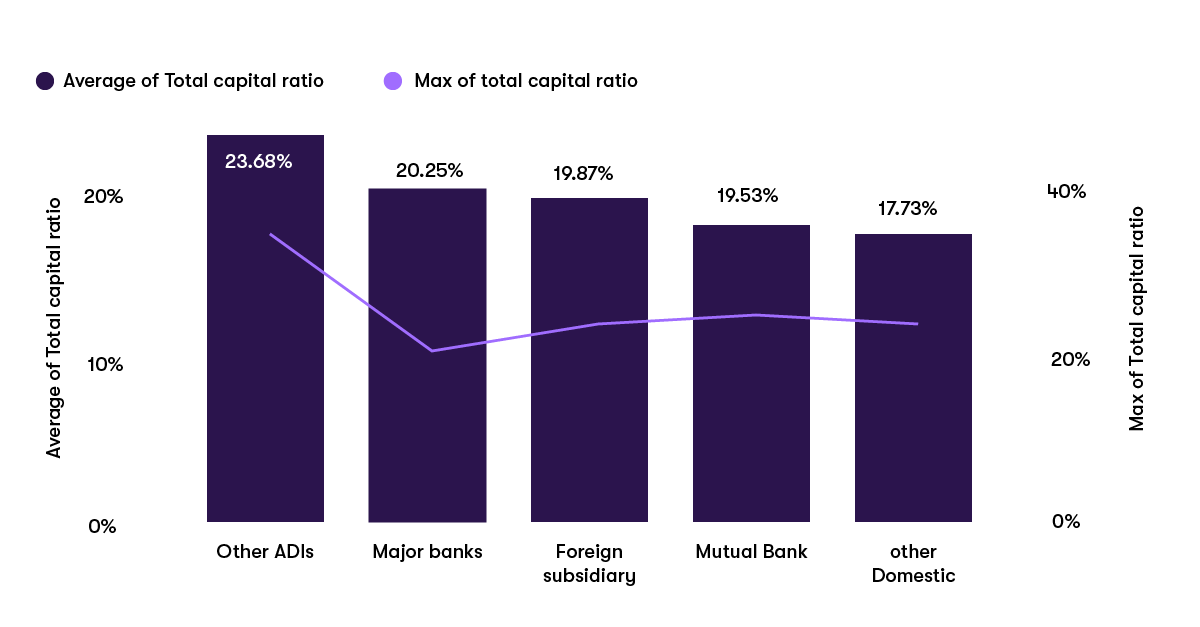
Drawing on insights from these statistics, discussions within the sector and recently concluded triennial Internal Capital Adequacy Assessment Process (ICAAP) reviews, we have observed a marked improvement in capital management maturity within the mutual sector.
This improvement is evident in heightened governance involvement from those charged with governance (TCWG) and more thorough consideration of severe yet plausible stress scenarios encompassing critical risks such as mortgage price declines, climate impacts, and cyber threats.
Despite advancements in capital management maturity, ADIs must maintain a vigilant focus on balancing risk and growth in their capital planning endeavours. To support a more mature ICAAP framework, the following key considerations have been identified:
ICAAP plays an important role in an ADI’s strategic planning and decision-making process. It provides a comprehensive assessment of the capital required to support each of the relevant risks and the capital available to support potential growth initiatives.
ADIs need to focus on becoming more mature in its ICAAP to achieve balance between risk and growth. Organisations concerned about whether a compliant and appropriate ICAAP is in place or those seeking further insights on optimising financial strategies, are encouraged to reach out for tailored guidance to ensure compliance and enhance strategic outcomes.




Proactive stress testing to manage macroeconomic risk, strengthen financial stability and banking




Explore strategies for scaling in Australia’s tech and SaaS sector in this report, covering capital raising, investor expectations, and long-term growth.



Against a backdrop of rising cost-of-living pressures and economic uncertainty, Not for Profits (NFPs) are facing increasingly complex challenges to maintain financial sustainability. With public expectations rising, funding pathways under strain, and operational costs climbing, many organisations are being forced to reassess how they operate. While the pressures are real, this also creates an opportunity to rethink collaboration, strengthen governance and build long-term resilience.

