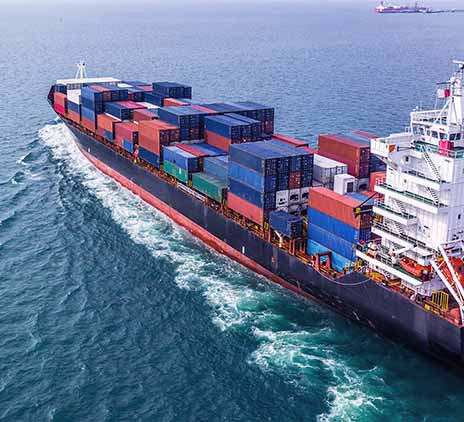
The USA is preparing reforms to its de minimis exemptions, a change that could significantly affect Australian retailers selling goods manufactured in China and exporting to the USA. With higher tariffs and stricter customs regulations on the horizon, businesses may face increased costs and compliance challenges, requiring a reassessment of supply chain strategies.
Following the recent removal of tariffs on Australian wine by China, the industry is keen to rebuild relations and explore the right export markets. This presents Australian wine producers with a chance to reassess their position in the global market.
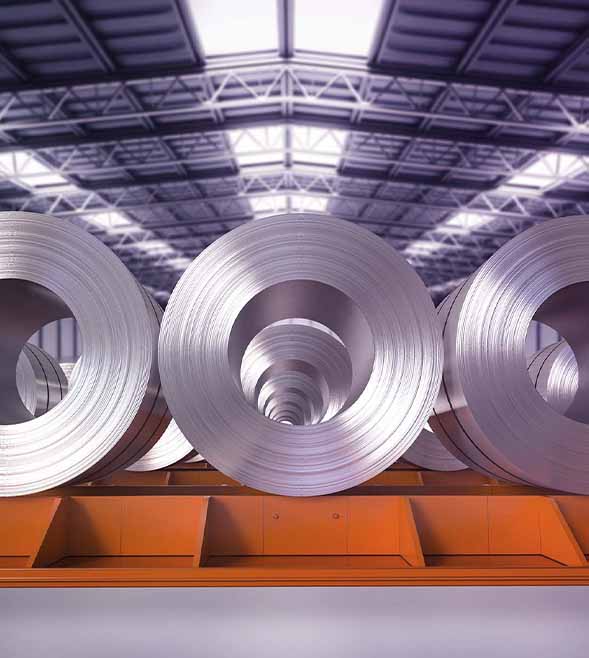
Australia's commitment to reducing carbon emissions is taking a powerful step forward with the proposed green tariff. New regulation has been proposed by Australia's Climate Change Minister, Chris Bowen, through the implementation of a carbon border adjustment mechanism on steel and cement imports. Designed to ensure a level playing field for our domestic manufacturers, this initiative could reshape the business landscape by increasing costs on imports and emphasising environmental compliance.
Tariffs on emissions-intensive imports are expected to be introduced to adhere to the Government’s proposed emission targets. Climate Change and Energy Minister Chris Bowen put forward a proposal to enforce pollution caps on the country’s 215 biggest emitters, with the view to reduce their greenhouse output by 5 per cent a year until 2030. There’s no doubt that these emission targets are aggressive – but with penalties in place if organisations don’t comply, we expect to see a positive impact on the adoption of sustainable practices across businesses, manufacturing processes and along the supply chain.
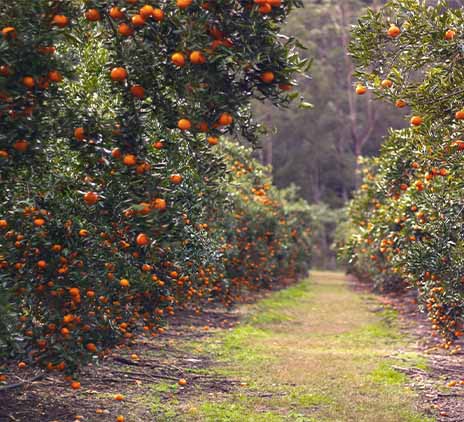
With the Australia-India Economic Cooperation and Trade Agreement passing through Federal Parliament of Australia last week, now's the ideal time to assess your India strategy. What are the key opportunities your Agribusiness, Food & Beverage business can explore as part of your India strategy? Find out more about areas of opportunity you can leverage.
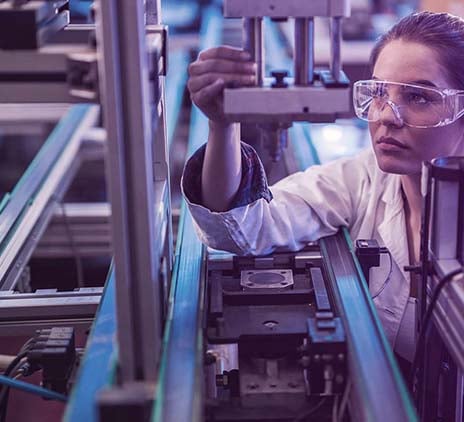
Australian manufacturers have been through difficult times, particularly with the shutdown of the automotive industry, but remaining businesses are proving to be agile and resilient having already battled through lots of challenges. In addition, the accelerating pace of new technologies being introduced, combined with COVID-19 disruption and the Government’s substantial industry support, many manufacturing business models have been fundamentally challenged for the better.
With rising supply chain costs and disruptions on a global scale as a result of the pandemic, Australia has been a prime example of resilience by increasing reliance on domestic products to minimise shortages. Although we’ve increased the supply of Australian products, some organisations struggle to compete with global sellers. As supply chains slowly ease back into a pre-pandemic rhythm and import capabilities open back up to their full potential, to compete on a global scale more efficiently, this creates an opportunity to consider where trade policies via tariffs and quotas could be applied to even out the playing field.
On April 2, 2022, Australia and India signed the Australia-India Economic Cooperation and Trade Agreement, a significant step towards strengthening economic ties between the two countries. Valued at $12.6b, the agreement is expected to eliminate tariffs on more than 85% of Australian Goods Exported to India.
The compliance requirements for disclosure of transfer pricing adjustments – which need to be supported by Valuation Advice rulings or registration in the Provisional Value Scheme as above – are highly technical.
In response to an increase of importers submitting transfer pricing Voluntary Disclosure requests without first applying to the Australian Border Force (ABF) Valuations team for variation amendments, the ABF has reconfirmed their processes.
The Government has a 10 year plan to implement the Modern Manufacturing Initiative and develop our manufacturing capability.
COVID-19 has brought transparency to manufacturing – for the first time, consumers are starting to understand what we do and don’t make here, and changing their consumer behaviours with more knowledge of product origins.