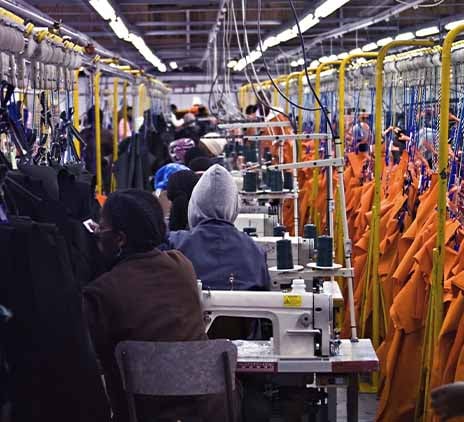
In this episode of Navigating the New Normal, Katherine Shamai, Partner in the Risk Consulting team unpacks what modern slavery is and what businesses are required to report in Australia.
As the Real Estate and Construction industry continues to face increasing costs, thin profit margins, heightened scrutiny and regulatory changes, the potential for fraud and corruption is higher than ever. What measures can your business put in place to best stay protected in the face of rising financial crime?
CFOs have a pivotal role in preventing and mitigating fraud risks within organisations. They should establish a strong governance framework promoting ethical behaviour, transparency, and accountability. Collaborating with technology leaders, CFOs can implement anti-fraud technology, stress-testing measures, and anti-money laundering controls. Maintaining an ethical culture through awareness, education, and reporting mechanisms is crucial.
We recently sat down with NSW Club leaders to discuss Environmental, Social, and Governance (ESG) considerations on the Club industry in the short to medium term. The International Sustainability Standards Board (ISSB) has now released their standard on Sustainability, and Treasury has sent a draft policy on how the standards will be adopted in Australia. Although there is no set guidance at this stage, it is most likely Clubs will need to adopt this standard in FY26.
June 30 is fast approaching, and with it comes tax scammers, the escalating cost of living means their activity is on the rise, we outline some scams for you to be aware of.
The current cost of living crisis compounded with salaries not keeping up with inflation has created a climate in which the fraud triangle can emerge. Internal Audit programs are a valuable tool that can be used to assess and report this.
With the introduction of the Modern Slavery Act in 2018, Australia became a leading jurisdiction in combating Modern Slavery, which is defined as the exploitation of workers where offenders use coercion, threats or deception to exploit employees, and undermine their freedom. The Act made provisions for a statutory review of the act, which commenced in 2022 and concluded with the release of the Report of the statutory review of the Modern Slavery Act 2018 (Cth) by the Attorney General's Department on 25 May 2023.
Australia has commenced its implementation of Tranche 2 Anti-Money Laundering (AML) and Counter Terrorism Financing (CTF) reforms, presenting an opportunity to shape the scope and nature of obligations for your industry.
In this episode we speak with Matthew Green, Partner and Controls Assurance Specialist and Chris Watson, Partner and previously a Detective in the Computer Crime Unit City of London Police.
In June 2018, the NSW Modern Slavery Act 2018 (NSW Act) was passed – just ahead of the national approach to modern slavery. The Commonwealth’s Modern Slavery Act 2018 (Cth) (the Commonwealth Act) was introduced to the Commonwealth Parliament a few weeks after New South Wales.
Anti-money laundering and counter-terrorism financing changes, informally known as “Tranche 1.5”, relate to those entities captured by Tranche 1, including providers of financial, bullion, and gaming/gambling services.
While Modern Slavery Statement reporting periods have gone back to their normal schedule, now is a timely reminder to collate your Modern Slavery Statements and submit in time with the regular deadlines.