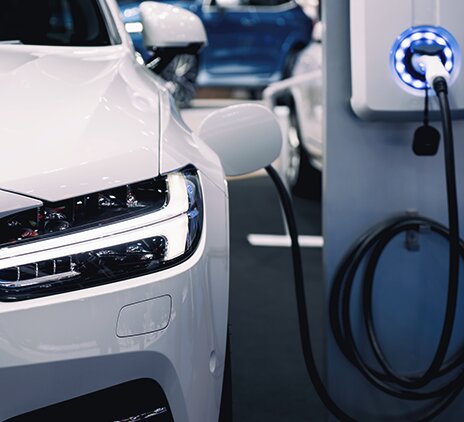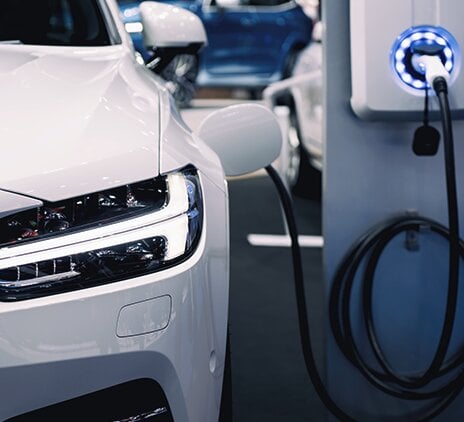
The Government today introduced draft legislation to give effect to a pre-election promise to exempt (non-luxury) electric cars from fringe benefits tax (FBT). In further good news, hybrid electric cars have now been added to the exemption – we assume due to the extreme wait times for new electric cars at the moment, which would otherwise have significantly dampened the effect of the new law.
Filter insights by:
Showing 12 of 78 content results
In 2022, Australia’s ‘perfect storm’ of low unemployment has required Australian businesses to think differently about how to attract and retain workers
Many people are getting excited about the Government’s pre-election promise to exempt electric cars from Fringe Benefits Tax (FBT) as of 1 July 2022. But before you rush to order your new vehicle, there are a few considerations for you to take into account. While this measure is expected to take effect shortly, there is no legislation for this yet – not even in draft – and parliament’s next sitting days have not been announced. This means any new legislation will no doubt need to be retrospective to have effect from 1 July 2022.
The ATO has recently issued a new class ruling expanding on what products qualify as a ‘portable electronic device’ for FBT exemption purposes. In addition to devices that were designed to operate as a small, portable complete unit without an external power supply such as laptops, mobile phones and similar devices, the new ruling extends to include portable display monitors that run in connection with phones, tablets, etc. Espresso Displays were an instrumental part of the process, having obtained the ruling for their portable screens.
There have now been some developments in how medical practice entities are affected by Payroll Tax, which is expected to have a long-term – and backdated – impact on providers.
Businesses and employees have embraced the positive impact of working from home and the value in being agile in response to potential restrictions or COVID-19 variants. But as organisations discuss ongoing flexible work arrangements, and the support and equipment to allow employees to work from home, what Fringe Benefits Tax (FBT) implications, concessions and exemptions should be considered?
Revenue NSW has issued Practice Note CPN 021 which outlines key clarification of the treatment of corrective Superannuation contributions and Superannuation Guarantee Charge payments in NSW.
Both the ATO and the State Revenue Offices have a number of focus areas putting employment taxes squarely on the agenda again.
Single Touch Payroll Phase 2 (STP Phase 2) will become mandatory for all businesses from 1 January 2022, bringing a host of changes that will fundamentally change the visibility of the information reported to the Australian Tax Office.
Recently passed by Parliament is the Treasury Laws Amendment (More Flexible Superannuation) Bill 2020.
Single Touch Payroll (STP) has been mandatory for all Australian employers since 1 July 2019. After two years of embedding, the ATO has confirmed that Phase 2 of STP reporting will commence on 1 January 2022.
In our podcast, Alex Bell, partner and National Head of Forensics at Grant Thornton, unpacks the complexities behind payroll and awards, the unexpected ramifications of getting it wrong, and what companies can do to protect themselves.