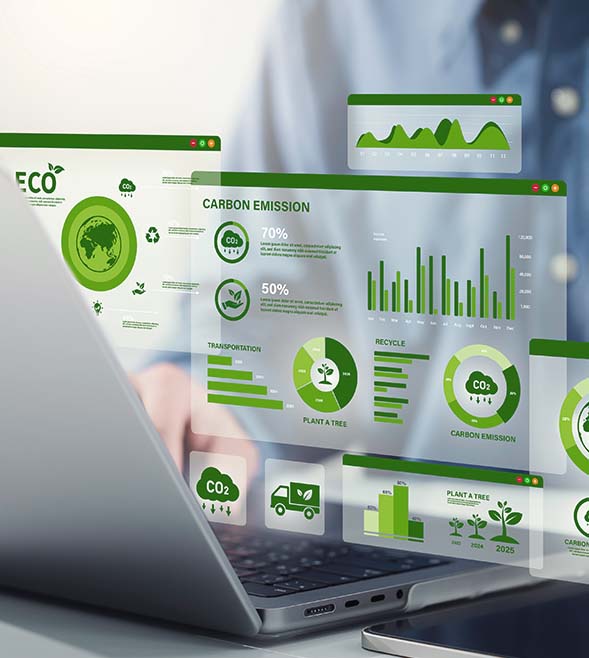
As Australian businesses face increasing pressure to manage and reduce their carbon footprints, selecting the right carbon accounting software has never been more important. With complex regulations and growing stakeholder expectations, the right solution can help your organisation stay compliant, make informed decisions, and demonstrate real progress.
Tax has always been a fundamental part of how businesses contribute to society. Its role within the Environmental Social Governance (ESG) space is starting to build strong momentum. As organisations sharpen their focus on ESG outcomes, tax considerations and the governance structures that support them have become critical markers of responsible management and long-term value creation.
In the mid-sized business space, the conversation around carbon reporting has shifted rapidly from a compliance ‘tick box’ to a genuine commercial lever. While the regulatory landscape is certainly a catalyst, what’s most striking is how mid-sized businesses are engaging with these requirements, not just to meet obligations, but to unlock value. There’s been a shift from compliance to commercial opportunity.
In today’s rapidly evolving business landscape, sustainable innovation is a strategic imperative. For mid-sized businesses, embedding sustainability into operations not only meets growing stakeholder expectations, but also unlocks new avenues for growth, efficiency, and resilience.
In today's business landscape, Environmental, Social and Governance (ESG) factors are no longer just a buzzword; they are critical for sustainable business practices. Family businesses – with their long-term vision and deep-rooted values – are uniquely positioned to lead the charge in ESG responsibilities.
Boards play a critical role in the success of private businesses by providing strategic direction, advising the Executive team, overseeing business performance, and managing risk and compliance. To fulfill these roles effectively, Board members need to be equipped with insightful information.
As the regulatory landscape continues to evolve, it's crucial for small businesses in Australia to stay updated on new compliance requirements. One significant area is sustainability reporting due to the Australian government's introduction of mandatory sustainability reporting requirements. While these regulations may not directly apply to small businesses, understanding their implications is essential for maintaining strong commercial relationships and ensuring future compliance.
In today’s world, sustainability is a business imperative. Mid-sized businesses have a unique opportunity to make a significant impact on the environment while also reaping substantial benefits. Here are some actionable strategies to help reduce your carbon footprint and enhance your business’s sustainability.
Businesses are increasingly recognising the importance of sustainable practices to safeguard our planet for future generations. However, as the demand for sustainable products and services grow, so does the prevalence of greenwashing – a deceptive practice where businesses falsely claim to be environmentally friendly.
There exists a wide array of advantages that businesses can realise in integrating important Environmental, Social and Governance principles. These include reducing costs, improving operational efficiency, enhancing reputation, increased accountability, and attracting talent.
Currently, businesses who meet reporting thresholds will need to report on material climate-related risks and opportunities, including metrics and targets related to Scopes 1, 2, and 3 emissions from 1 July 2025.
Family Businesses prioritise sustainability policies and actions that benefit their business and community, even before regulation around Environmental, Social and Governance (ESG) initiatives were mandated. This genuine drive allows family and mid-sized businesses to act authentically while integrating corporate terminology to create a competitive advantage.