
Payday Super: a cashflow stress test for SMEs
InsightPayday Super may expose hidden cashflow weaknesses. Discover the warning signs, business impacts and restructuring options available.
Grant Thornton Australia joins Grant Thornton Advisors multinational platform. Read more.
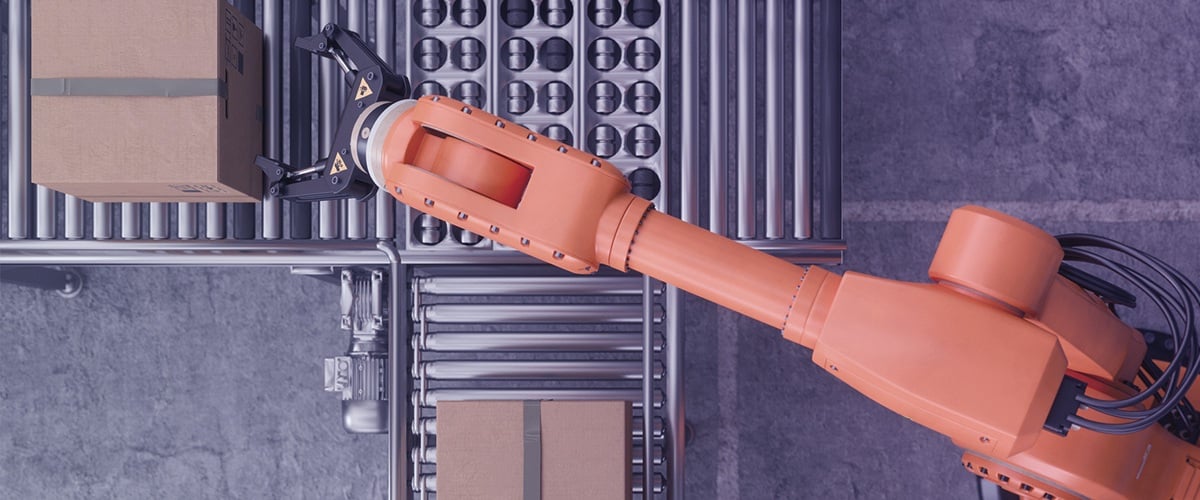
A major online retailer facing rapid growth and warehouse capacity constraints partnered with Grant Thornton to design and implement an automated Customer Fulfilment Centre using autonomous mobile robots, improving product flow and order-packing speed and accuracy. The solution delivered a scalable, future-ready supply chain operation, enabling the business to meet growing demand while increasing efficiency and enhancing both customer and employee experiences.
A major online retailer wanted to create a better experience for its customers and people. In recent years, the company experienced unprecedented growth in demand and had reached capacity at its various sites.
The client wanted to continue increasing demand and explore how they could do this through a mixture of automation and human customer fulfilment.
Grant Thornton’s management consulting team helped design, program and monitor the custom-built Customer Fulfilment Centre (CFC) fitted with autonomous mobile robots from Locus Robotics. Working alongside the online retailer’s team, they were able to improve product flow and pack books faster and more accurately – keeping customers happy and coming back to order more.
The challenge of increased growth needed a solution to create a better customer experience, while creating efficiencies for warehousing staff.
The team worked with the client to decide on technology and design, ensuring a sustainable solution that would grow with the business.
The benefits of this solution included:
Payday Super may expose hidden cashflow weaknesses. Discover the warning signs, business impacts and restructuring options available.
Explore retail market insights, M&A trends, value drivers and growth opportunities shaping the sector, and learn how to build a stronger retail business.
Australia’s retail M&A market is becoming increasingly selective, with capital concentrated around fewer, more strategic transactions. While operating conditions have stabilised since the volatility of 2022–23, sustained cost pressures, cautious consumer behaviour and geopolitical uncertainty continue to shape deal activity and investor priorities.