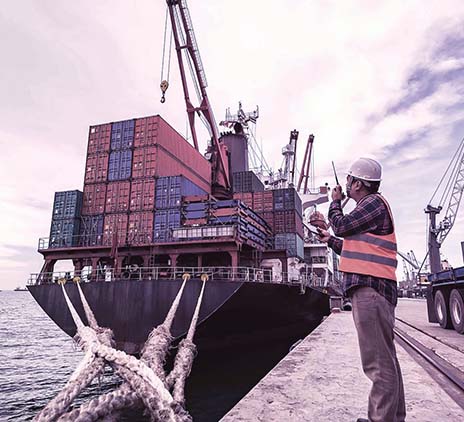
With the United States of America electing President Donald Trump for a second term, many economists are considering how this will affect both global and local economies. Whether potential tariffs come to fruition, Australian businesses should take this opportunity to review their supply chain, transfer pricing policies and export strategies and prepare ahead of time to lessen any potential impacts to their business.
Filter insights by:
Showing 12 of 150 content results
Australians are currently struggling with cost-of-living increase including essential goods such as housing, utilities, petrol and groceries. Consequently, household budgets are being altered across the country to tighten spending and temporarily alleviate financial pressures.
The Health and Aged Care industry faces continued uncertainty, but following the Federal Budget announcements on 14 May, improvements are expected.
The results of the 2023 Family Business survey report identified top concerns for Australian family businesses in the current environment.
In this special Federal Budget edition of Beyond the Numbers, listen to Journalist and Television Presenter Hugh Riminton, St.George Chief Economist Besa Deda, and Grant Thornton Partner, Jared Grima at our virtual seminar, as they discuss budgetary spending and how it will impact Australian businesses.
With the Australian economy the weakest it has been in 23 years, Labor has handed down its third Federal Budget delivering its second consecutive surplus, and setting the Government’s agenda as we head into an election cycle.
The Australian Government has allocated $167.8m in the Federal Budget to support the implementation of the wide-ranging reforms to the anti-money laundering and counter-terrorism financing (AML/CTF) regime.
This year’s Federal Budget announced a raft of tax changes including Stage 3 tax cuts, extending the instant asset write-off, tax incentives as part of the Future Made in Australia package and changes to the foreign resident capital gains tax regime, among others.
Ten years after the implementation of the Living Longer. Living Better Reforms, the aged care sector braces for more change. With the Federal Budget on the horizon, it will be interesting to see what considerations are given to a sector that faces continued uncertainty.
With the Australian economy the weakest it has been in 23 years, Labor has handed down its third Federal Budget delivering its second consecutive surplus, and setting the Government’s agenda as we head into an election cycle.
Currently, businesses who meet reporting thresholds will need to report on material climate-related risks and opportunities, including metrics and targets related to Scopes 1, 2, and 3 emissions from 1 July 2025.
The recently announced ‘Future Made in Australia Act’ underscores the Government’s commitment to the manufacturing re-shoring objective, demonstrating a willingness to adopt an interventionist approach to safeguard and build our sovereign capabilities, ensure our competitiveness with neighbouring countries, and allies and guard against growing geo-political tensions.