Payroll remediation has become a hot topic in recent years with major issues continuing to be relevant for both small and large employers alike. Some of Australia’s most well-known brands have recently found themselves dealing with payroll issues – most often inadvertently.
The future of healthcare in Australia is marked by significant growth and transformation, driven by factors such as an aging population, technological advancements, and rising costs. While policy will inform the future direction of the sector, there are many things industry stakeholders can do now to improve their performance and ensure a sustainable future.
Technical knowledge, digital proficiency and human relations are essential skills in our professional services careers – they’re the pillars to the modern workforce, and to thriving in an agile, increasingly technological world. But beyond technical and behavioural skills, qualifications and being entrenched in your advisory service, it’s empathy and understanding your client’s issues that elevate you as a professional. In the pursuit of specialisation, why is it important to also consider developing your industry expertise, and how can you gain it?
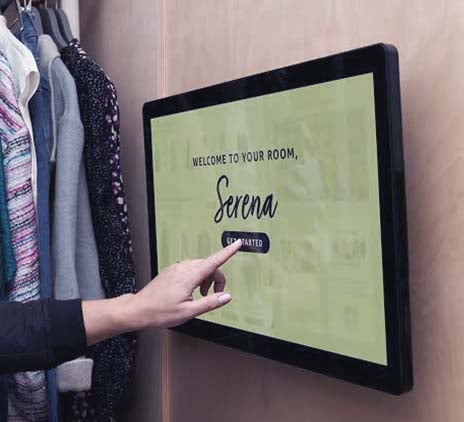
Customer expectations are quickly evolving. Unless your business can create a unique value proposition and strong connections with its customers, your relationship with your most important stakeholders is at risk. With demands for personalisation at its core, retailers are no longer encouraged but expected to build a connected consumer experience to support the customer journey and drive loyalty. How can retailers manage this demand for accessibility of products, information, and customer services via their platform of choice, as well as drive brand loyalty in a highly competitive marketplace?
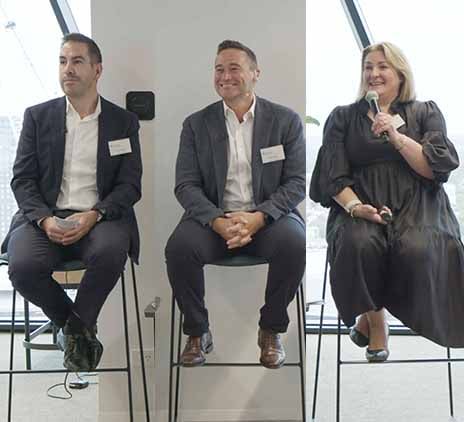
After attending the NRF 2023 conference: Retail’s ‘Big Show’ in New York, our key takeaway was that Retailers are not only encouraged but expected to connect with their customers through the pillars of communities, capital and climate. Watch our seminar video, as we discuss how organisations are optimising client experiences, supporting their human capital and leveraging technology and data to drive efficiencies.
While consumer spending was strong during Black Friday weekend, consumers are seeking value for money as household discretionary spending becomes tighter. As a result, they’re making more considered purchase decisions for bargains to save in the long run. Read more about how consumer behaviour has changed, and how this will impact the Retail sector in 2023.
With disruption caused by ongoing pandemic considerations, a new COVID-19 wave on the horizon, enduring supply chain issues and inflation front of mind, retailers have faced uncertainty on all fronts. Yet with people looking forward to a sense of normality this festive season, retailers have been bracing for Black Friday weekend like never before.
The conversation around workplace culture is shifting fast. Team members, customers and shareholders are demanding greater transparency from company leaders on how they are leading and truly embedding a cultural shift.
Without a doubt the number one challenge facing retailers right now is people, and this new phase of the pandemic is creating a lot of headaches.
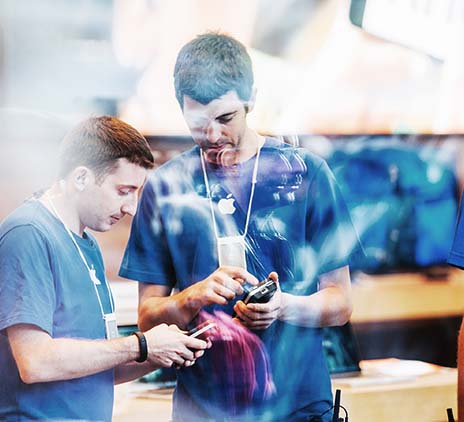
The ongoing importance of physical stores in the retail sector cannot be emphasised more than by observing the actions of the world’s largest e-commerce retailer, Amazon.
We are seeing the emergence of a new type of shopping experience. One where shopping, restaurants and entertainment all come together to provide the ultimate consumer experience - some of our major centers such as Chadstone & Doncaster are already taking this approach.
For the retail industry, the common theme has been the shifting power away from retailers to both consumers, and employees.