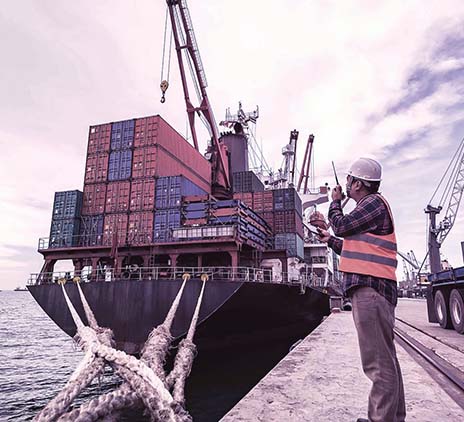
In this episode, Corporate Tax Partner Vince Tropiano, Global Trade Partner Richard Nutt and Innovation Incentives Director Simone Barker discuss the Australian economy and how tariffs are impacting Australian manufacturing businesses – and what they can do to mitigate risks.
The recent reintroduction of tariffs by the US Government has created significant challenges for Australian businesses engaged in international trade.
US tariff changes are adding pressure on Australian businesses, with higher costs, supply chain disruptions, and new trade restrictions. With additional tariffs on imports from China and Hong Kong, businesses need to rethink pricing, sourcing, and operations to stay competitive.
The ATO is cracking down on tax avoidance in the property sector, focusing on international related-party financing. With increased enforcement until 2028, private groups must review their funding structures to ensure compliance and avoid penalties.
The ATO has tightened exemption criteria for country-by-country reporting, effective January 1, 2024. Taxpayers will need to submit more information, aligning with the ATO's focus on international tax risks and local file reporting.
The ATO has increased local file reporting requirements to better understand international tax risks. These changes apply from 1 January 2025, for periods starting on or after 1 January 2024. CbCREs will need more time and resources to comply.
Australia's new Public Country-by-Country reporting law, effective 1 July 2024, mandates multinationals to disclose financial activities, tax practices, and profit allocation per country.
With the United States of America electing President Donald Trump for a second term, many economists are considering how this will affect both global and local economies. Whether potential tariffs come to fruition, Australian businesses should take this opportunity to review their supply chain, transfer pricing policies and export strategies and prepare ahead of time to lessen any potential impacts to their business.
The ATO has finalised PCG 2024/1, a framework to assess risk of ATO applying anti-avoidance or transfer pricing rules to intangible assets.
The high level of ATO activity in the multinational space is undoubtedly underpinned by the significantly increased funding it has received from the Australian Government since 2016. What can we expect in the May 2024 Federal Budget?
STAI, a SingTel subsidiary, lost its court appeal, highlighting ATO’s focus on tax avoidance. STAI owes ATO $268m in tax and $125m in penalties due to debt deductions. The court found STAI paid excessive interest, benefiting SingTel.
Grant Thornton Bharat and Grant Thornton Australia hosted a joint webinar on the correlation between transfer pricing and customs for various sectors in the India-Australia business corridor.