Read the full transcript
Beau Chaperon
Welcome back to Beyond the Numbers with Grant Thornton – a podcast unpacking marketplace shifts in today’s dynamic business environment.
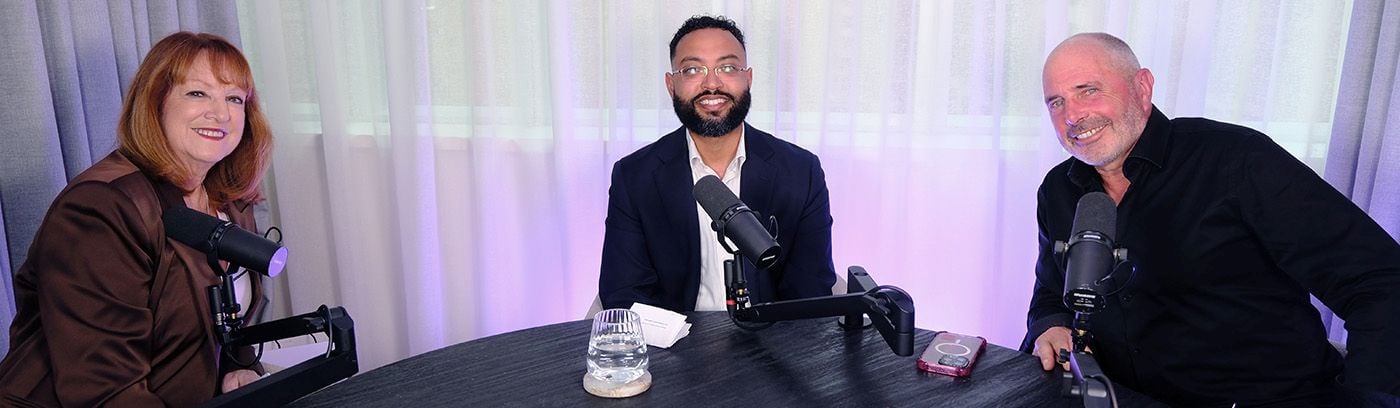
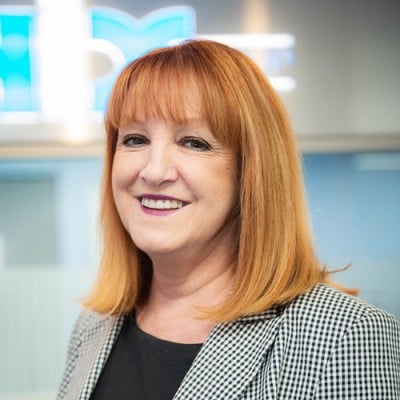
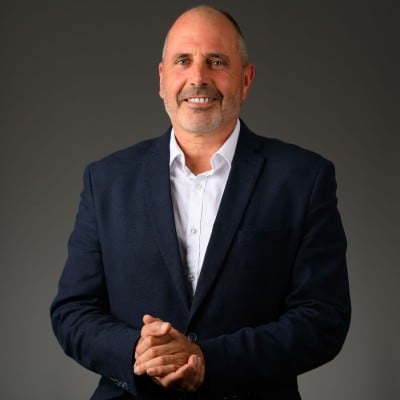
My name is Beau Chaperon, Private Enterprise Partner at Grant Thornton. I'm stepping in as today's host for a special episode on Beyond the Numbers with Grant Thornton, and I'm fortunate to be joined by Lea Hicks and Richard Fox – two very accomplished and knowledgeable professionals in the business and sporting worlds.
Lea & Richard, welcome to Beyond the Numbers.
Lea Hicks
Thank you.
Richard Fox
Thank you.
Beau Chaperon
I've taken the time to write down these introductions because I wanted to make sure that they did you the justice that you both deserve.
So, Lea, you co-founded Hix Group with your husband Ian in 1992, and you were based in the Penrith region. Hix Group grew to be a multi-trade business servicing customers all over New South Wales, and you successfully sold the business in 2024.
You and Ian were able to accomplish this while raising your children – your two beautiful now adult children – and making a significant contribution to the local community, which I know is quite important to you. Thank you again for joining us.
Richard – Mr. Fox, a five-time canoe world champion for Great Britain. Moved to Australia in 1998 with your lovely wife Miriam, an Olympic representative of France as well. You've been the head coach of the slalom Australia Olympic team. You're the president of the Penrith Chamber of Commerce, and perhaps your most important role, girl dad to Noemie and our favourite daughter, Grant Thornton's very own brand ambassador, Jessica Fox. Thank you for coming.
Beau Chaperon
Lea, I'd like to start with you.
Business owners are often recognised for their achievements and their accomplishments, but the challenges and the risks associated with business ownership sometimes get lost or unnoticed.
Can you talk to us about some of the risks that you had to take and some of the challenges you had to navigate over the course of your business owner journey?
Lea Hicks
Okay, so I'm not sure we were aware of the risks when we first jumped in. I think it was more opportunity.
Ian had always had a dream of his own business, and we at the time had a 3-and-a-half-year-old and I had just had our second baby, and so he was about 3 months old when Ian had an opportunity for redundancy from his long-term employment, and it was blind faith and we jumped into the swimming pool.
We just saw an opportunity to do it then, and we looked at the risks and said, “Can we do it?”
I was working part-time teaching at TAFE, and we said, well, at least we can put food on the table. So, let's just do it, and the redundancy money isn't what it is today.
So, we went to a motor auction and bought a van, and we, a couple of years or months later, we bought a computer we didn't know how to use.
Beau Chaperon
Right.
Lea Hicks
And that was the start, and we knew the risks, but we also knew that he had done some groundwork. So, we were going to be okay for a while.
I don't think you really see the risks until a few years in, and then you have to start and build, and once you're building, then the risks are glaring you in the face, you know, financially and, um, more importantly, time wise, and how do you fit that in with me having another career and, um, also us having young children?
Beau Chaperon
Yeah, so it was a leap of faith.
Lea Hicks
It was – a very big one.
Beau Chaperon
And the trust and belief that you'll work it out along the way.
Lea Hicks
Yeah, I think so. Yeah.
Beau Chaperon
And Richard, similar to Lea, with athletes we often see the highs and the success, but there's obviously a lot of work behind the scenes that go into creating that gold medal moment.
Can you share a bit about your experience?
Richard Fox
Well, when you start in any sport, you're a long way from the gold medal, and you might have those dreams and aspirations, and my own career was one where I just wanted to well, I wanted to be a runner at first, and I had idols growing up in the 70s in the UK and football and all those other things, and then I got into the canoeing, and I wasn't thinking of world championships and so on. It was just how you progressed, you know, from one race to the next.
And, you know, when I look at the girls and their careers – we made sure that they didn't sort of think too far. Parents who are champions are sometimes the worst parents, if you like, for kids who want to aspire to do something. So, we made sure it was fun and, and that you're only as good as your next race sort of thing.
So yeah, you have setbacks along the way and injuries and things go wrong, disappointments and lessons in life. But if you've got that inner drive to do well, to, you know, to do the best that you can, sometimes that's the best thing and the performance takes care of itself, and if you think about it too much, it doesn't always come your way.
Beau Chaperon
Yeah, no, that makes a lot of sense.
It sounds like in both your cases, you know, talent or skill only gets you so far, but at some point, there is an incredible amount of commitment and work that has to go into getting you from point A to point B.
And Lea, going back to business ownership, if you had to list some of the key ingredients in what makes a successful business, what do you think those would be?
Lea Hicks
I think asking a lot of questions and trawling your way through how do you get the answers to those questions. They're not handed to you. you have to go looking and you have to – and realising now, you know 30-odd years in and having sold a business that we managed to achieve to get to more than 100 employees and, you know, turnover of more than $30m, and they were things that we never perceived back 30 years prior.
Beau Chaperon
Yeah.
Lea Hicks
But, um, realising that a lot of that information came from the contacts that you make, and you hear that, you know, corny sort of statement about surround yourself with all the people that know better than you do, but it's true.
It's making sure that you invest in getting that support from the people that know best.
Beau Chaperon
Yeah.
Lea Hicks
And that includes accountants, but that's just one, you know, part of it.
Making contacts with people down the road, making contacts with your clients. Some of our clients have become our best friends in later years and helped us grow our businesses as we helped them grow theirs.
Beau Chaperon
Yeah.
Lea Hicks
Joining Chambers of Commerce and going to networking things that you absolutely hate if you're people like us, but yeah, making the contacts I think is the biggest thing, is getting out there and making contacts and then realising that there's other people that know things that you know and things you might know that they don't… and sharing that.
Beau Chaperon
Never stop learning.
Lea Hicks
Yep.
Beau Chaperon
And Richard, building on those points that Lea just mentioned, do you see any of those same principles translate into the sporting world?
Richard Fox
Well absolutely, and, and I think actually, just first on that, on the Penrith Chamber, we have a saying, “Don't do business alone.” Another one is, “Business is, is community.”
When I was doing sport, I did a lot on my own, trained on my own, and then progressively I got support from coaching, but that was in an amateur era.
Now when I look at performance in sport, even in an individual sport, the entourage, the support network, it takes a village, as they say, the athletes and others, and you've got the coach, you've got the management that takes care of logistics, a physio, strength and conditioning, performance analysis, boat mechanic or whatever.
Those sort of, support services, they make up high performance now, and you see it in professional sport, sometimes there's, you know, the entourage is as big as the team and can be bigger, and I think today's athletes, they acknowledge that. They need others to help them along the way. They need training partners.
And, so we've been fortunate with Paddle Australia and with the support that the sport gets from the Government through the Sports Commission and the AIS. Australia's invested a lot in that journey.
So, I think the success that we've had as a sport and as a family in Australia is because of that entourage, because of that village, and it reminds me that, yeah, you can only go so far on your own and you need others to push you in the training environment and you need them as competitors and you need to lean into some of those.
It's a very lonely world sometimes in sport, as it is in business. You kind of have those moments of doubt. So having a good team around you is really important.
Beau Chaperon
I'd like to stay on that one for a moment because talking about having the right people around you and having the right team and people that push you, there must have been a moment in both of your journeys where you weren't 100 per cent confident that you could deliver the big contract or, you know, raise the funds needed to create the Whitewater Stadium out in Penrith.
But what made you say, “You know what, I'm just going to give this a go regardless and see what happens? I'm going to give it a crack.”
Lea Hicks
I think we got to a point where we were saying, “We won't employ more than 10 people.”
And then we'd get to 10 and almost 20, and we'd say, “Oh well, we'll stop at 20.”
So, I think the momentum starts to take place, and you start to get a bit more confident in your own capability, but then there are big decisions in the background around how much you invest – both time and money.
Beau Chaperon
Yeah.
Lea Hicks
Because it was a family business, forever we were thinking, “How's this impacting the kids?”
Do we go home at night and have a – are we able to – are we capable of separating the arguments at work with the arguments at home so the kids don't think we're having an argument. That was a point Ian wanted to raise, but also, looking at your team and saying, “They're the ones that are getting us here, so we've got to give them opportunities as well because they're going to go – they're going to go somewhere else and find opportunities.”
Beau Chaperon
Yeah.
Lea Hicks
But then things come your way and the GFC occurred, and I know to young people in business these days, they'll probably say, “The what?”
But that was a hard one, but we were actually, I think that taught us to have confidence in our own capability because we looked at our financial position and our staffing position and we went, “You know what? We can actually get through this by investing further in our people.”
And we took another leap of faith into the swimming pool, and we came out the other side a lot better off than a lot of other businesses had because we'd done that.
So, I think of it, you know, I think it's what you say. You look at your own skills and abilities and you kind of weigh them up, but it's hard to acknowledge that you're capable until after you've done it.
Beau Chaperon
Yeah, and Richard, um, how about for you? What, what just drives you to, you know, take that leap of faith time and time again to achieve a goal that at one stage might, might seem far away?
Richard Fox
Well, I think, you've got to get feedback on how you're going.
You can't just keep showing up and doing the same thing and, you know, expecting a different result.
So, you know, sometimes honesty in your team – and that, you know, that can be from a parent, that can be, in our case in sport, that's from a coach or a teammate, and I think in business, it's the same, that the truth is, is really important.
So, you know, you're not trying hard enough – that's a hard thing to hear if you're an athlete and you feel like you're trying hard. But I think we all forget how hard some things are in life, like how far you have to, you know, push yourself to get what you want.
So, you know, having that reality check is really important. Or, you know, we would say, “Toughen up.” You know, which is tough when it's your kids, you know, and you go, “Toughen up.”
But the honesty is, really important in that.
And then, yes, being prepared to sort of go, “Okay, what else can I do?” Let's be creative.”
And you mentioned the, the Sydney Olympics, and we were trying to get the venue built, asking the Government to change its mind and say, you know, actually this will be a good thing for the community, for the sport, and it'll be a success, but they'd already decided not to, and we got to the point where we realised that they weren't going to change their minds.
So, we had to come up with a deal, and I sort of thought, I wasn't living in Australia at the time, but I thought the Australians, they like a deal. You know, so if you go 50/50 or go halves, and that's what we did, and out of the blue, I don't think they believed that we would come up with half of the funding.
Beau Chaperon
Right.
Richard Fox
But we did, and it was because we said, well, “What if we pay half?”
And it was the Director of the Games Delivery Authority, and he said, “Okay, we might look at that.”
Beau Chaperon
Yeah.
Richard Fox
So out of nowhere, we kind of created a deal that in the end was the best deal the New South Wales government did in building a venue. It cost least amount of money, and it's still used. And for the sport, while they had to pay an amount, it kept the sport going in the Olympic Games. But I never imagined that at the beginning that's what it would take.
Beau Chaperon
Mm-hmm.
Richard Fox
But we were in a sort of strait of desperation.
So, I think the lesson from that is you've got to be prepared to ask, you know, tough questions of yourself, but also be prepared to take a chance and ask a question, and, you know, back yourself in on it and push boundaries a little bit.
Beau Chaperon
And you've been able to create one of the best training courses in the world for your girls in the process.
Richard Fox
Well, exactly. I didn't know that at the time. I wasn't planning – I mean, Jess would have been, when we did that deal, Noemie was just born. That's right, and so, Jess would have been three.
Beau Chaperon
Yeah, wow.
Richard Fox
And we didn't – and then we moved to Australia shortly after that, and they took up the sport a bit later. But yeah, as it turns out, it was a perfect backyard.
Beau Chaperon
Great fit.
Richard Fox
Yeah.
Beau Chaperon
And you've both touched on this already, the importance of community and having the right people around you, having genuine people around you. You're both very passionate about Western Sydney, both Western Sydney locals. What does Western Sydney mean to you? Why is it so special?
Lea Hicks
We moved to Penrith from Parramatta and Prospect.
So, we were already in what people would regard as Western Sydney anyway, but we just saw the opportunities for a young couple wanting to build a home, not knowing at that time that a business was going to be on the horizon at some point, but in 1992, when Ian decided that was the time to launch into a business, we didn't even have the extension of the M4 freeway up the mountains at that point, but it was about to commence.
So, that was kind of an entryway to see that that area was going to grow a bit, and then all the roadworks started, and at that time, which is, you know, 40-odd years ago, they were talking about an airport.
Beau Chaperon
Wow.
Lea Hicks
So, you know, some of the younger people these days might think that the airport only came onto the table, you know, in recent years, but they were pushing for it back then.
So those sorts of things, you know, being aware of what was going on in the area and seeing commercial and industrial buildings going up along the freeway on the way out. That was a good indicator. Once we had a business and we realised they were the sorts of things we needed to look at, it got exciting.
Beau Chaperon
Yeah.
Lea Hicks
And we used to use the expression at work, you know, “Face west, not east.”
Because there was always this perception of you had to go to the city to get work, and at one point in time, I was on the Economic Development Corporation Board, and that was the whole focus, was to get everyone to face west and start to move to the west and realise that the west was going to be the place of the future.
Beau Chaperon
Yeah.
Lea Hicks
And having had a banking background where they were decentralising to Parramatta, you know, even the big enterprises were looking at moving out that way, but It's a lot more personal when you've got an SME. You've got to get down to the nitty-gritty and you've actually got to get passionate about your local area because they're the people you're getting the work from initially.
Beau Chaperon
Yep.
Lea Hicks
And you need to make contacts. You've got to get out there somehow, and like I said before, we didn't like the networking, but Ian was really good at it initially with his customers, and then we, yeah, jumped into the chamber and some local charities and things like that. And it's surprising what you get out of that just because someone thinks of you.
Beau Chaperon
Yeah. Yep.
Lea Hicks
You know, so, and likewise with you, you can see that that person has a contact somewhere that you need to get in the door, and that's really important.
So, you know, we've always said we've got to give back. If you don't give back, then you just don't keep getting things for yourself, and that's been something we've taught our kids as well. Just value your local area.
Beau Chaperon
Yeah. Value the people around you.
And Richard, how about you? Western Sydney, what does it mean to you?
Richard Fox
Well, it's a place we discovered.
So, we'd heard of Sydney, and Miriam and I travelled to Australia several times, but not really spent time around Sydney at all because in the sport, there was nothing to do here.
We went to Nymboida in Northern New South Wales, or Victoria, or Tasmania, and so, it was a discovery for us, and it's interesting that when you come from the outside, you see there's a river in Penrith and it's beautiful – the Nepean. You've got the Blue Mountains. That's beautiful.
But you also come across this reflection that a lot of people have is, “Why Penrith?” Like, why would you go and live there if you had the choice of, you know, living by the beaches or in the city? But for us, there was no choice. It was where the work was and the opportunity, and the Olympics was something that was really special to be a part of at that time.
And so that became home. And, and I think the clincher for us was after we'd been here a few years and there was a question of, “Do we go back to France?” That’s where the girls were born and Miriam is French, and there was a real possibility that we would do that. Miriam had been offered a job working back in France.
Beau Chaperon
Wow.
Richard Fox
And what clinched it for us was education, and the girls had been going to school a little bit, you know, here and there when we were back in Europe, and they said, “We don't want to go to school in France. We like it in Australia.”
And it was the way of life. So, I think we've been, we've been lucky and the freedom that you have growing up in Australia is something to treasure. So, it's not just about a Western Sydney thing, but the lower mountains and Penrith. We've become very attached to.
The girls went to Blaxland High School. They've got friends in the mountains. They've got friends in the city, but Western Sydney wasn't something that was really talked about when we first came out. It's something that's been sort of shaped up.
So, we come together as, you know, whether it's, you know, Campbelltown, Blacktown, Liverpool, Penrith, all of those, you know, different parts, but I think, you know, within that, Penrith is probably, you know, what we attach to more than that concept, but you have to stick together because, you know, there's this real thing still of inequity in terms of, you know, distribution of resource, whether it's arts, culture, sporting facilities, or hospitals.
But what's happening now is it's shifting. The dial is shifting, and it's an exciting time, and Lea and people like you’ve been part of that transition, and you've seen it coming, and there's ambition and authenticity and a sense of community.
So, I think that's in Penrith. Every part of Western Sydney is very different, has its own identity, and it's wonderful to see that evolution.
Beau Chaperon
And keeping on with that theme of evolution in Western Sydney, we talked a bit off camera about, you know, how the Penrith region has changed since you've been part of the local community, and when you think about the future, think about the next 10, 20, 30 years, what do you see could happen?
What do you think the potential would be for Western Sydney based on the evolution that you've seen so far and all of the infrastructure projects and popularity that Western Sydney is now receiving – both from government and the media.
Lea Hicks
I think it's going to be a very exciting time for our granddaughter, who's 5 now, and we look at the, you know, the changes that we saw, you know, and I mean, the sheer fact that working life is more flexible, um, it's more accessible, there are better transport systems which are being built out there right now, and we groan because we think, you know, it takes so long, and we've seen 40 years of it having to fight to get an airport out there, but the infrastructure and the services that are available out there now, they're only going to grow. So that turnaround, you know, that whole facing the west, I think is starting to happen.
Beau Chaperon
Yeah.
Lea Hicks
We used to have to fight to try to keep people working locally. Well, now there's going to be a lot more opportunity for people to work locally.
Beau Chaperon
Yeah.
Lea Hicks
That was something we always focused on in our business was employ locally, train locally, get involved with the local training providers because we have to grow our own because people from the city are not going to travel out to the west. However, people from the West had to travel to the city.
Beau Chaperon
Yeah.
Lea Hicks
So, we wanted to flip that around and we, you know, successfully achieved that. I think now it's going to become the norm because the services will continue to grow. So, you know, our little one will grow up and that will be part of her life. She won't have to necessarily travel to the city to get work.
Beau Chaperon
Yeah. Yeah.
Lea Hicks
Depending, of course, what she wants to do.
Beau Chaperon
Of course. At least she'll have the option, whereas before, you know, options were limited.
Lea Hicks
That's right.
Beau Chaperon
Yeah.
Lea Hicks
Yeah.
Richard Fox
Yeah, I see that Penrith is, as Lea said, has really got a strong, bright future. It's a hub.
So, the new airport coming online and the metro coming into St. Mary's, that infrastructure's definitely going to help. There'll be a lot of work around Bradfield and the airport, and then the tourism sector will grow.
So, when I say a hub, we need things like more hotel accommodation for that to happen, and there are some challenges with planning and the risk of flood needs to be managed well, but things that can open up in our region are the lakes, Western Sydney Lakes.
It's 1986 when the deed was signed with Bob Carr, at the time who was in government, and then now it needs to be zoned and, you know, for tourism and light activity. That's a game changer. You know, what that can bring to communities, it’s not just about Penrith. That's when we talk about Western Sydney.
Beau Chaperon
Yeah.
Richard Fox
A lot of the other parts can access lakes and the beach that's being activated there.
I think we need the university campus like Parramatta. When you see what's happened to Parramatta, the city centre around the station is really being transformed, and the university's right there.
You can come off that train line and, you know, go into a campus right there. So, and that would serve further west. I like when you say looking west, Lea. So, people who are further west, you know, Penrith's a hub for them to do so many things.
So, I think there's a bright future ahead. It's not going to happen overnight, and there are challenges. All these things take time, but there's a lot of ambition. We see it in sport, you know, with the success across a number of sports in Penrith, and there's a lot of ambition in business, and I think the future will be, I think a lot of those established businesses getting involved in helping shape that future. So, it's a bright one.
Beau Chaperon
That makes a lot of sense, and Lea, you mentioned something in particular that you did when running Hix Group – hiring local, training local, and Richard touched on the amount of the, the university that's front and centre in Parramatta now.
When you talk about entrepreneurship and encouraging the next generation of, of leaders, how important is it that businesses and the community gather around the younger generation and make sure that there's ample opportunity for them to learn, for them to work in businesses in their local community, and maybe own a business in the local community to give back in the future.
Lea Hicks
That's absolutely critical that businesses try to develop from within, grow within, so that those coming up through the ranks can obviously take on the responsibilities, and I mean, ultimately, you know, the business owners have to retire at some point in time, as we did, but there's still opportunity there for those people to grow, but it's encouraging the younger generation to be as interested in community groups and business groups and their associations and so that that they have the same sort of resources that we had.
Beau Chaperon
Yeah.
Lea Hicks
And there are a few groups locally in Penrith that are very active that I'm aware of that are helping to sort of shape that future. And they're the ones that, you know, have the businesses that are well known.
We just need the Government to step in and really support small to medium enterprise.
Beau Chaperon
Right.
Lea Hicks
But if we can get that sort of interest going and we can look at opportunities for young people, then I think we've got a really bright future, and I think with the opportunities with businesses to get space and to get access and inland deliveries and services, I think that's important.
Beau Chaperon
Yep. Yep.
Richard Fox
It's interesting when you look at it as a circular economy. I think there's different ways to define that, but getting young people involved in their local area out of school or out of university and staying connected there is part of that circle.
They may go away to work and learn, and whether it's in the international markets or in the city, but staying attached to that community is going to become more and more important because healthcare, and, you know, an aging population.
So, in the lower mountains, or the mountains, we have an aging population, and as a nation, we have an aging population, which means we need strong communities to help provide that solution. Otherwise, you know, the cost of care is going to, you know, make us all struggle in life later on.
So, I think, yeah, as you touched on that point of community, but I think also opportunity. So people who, who live in Western Sydney, that they see this, this great opportunity that they can get a good education, they can get work, but they've also, you know, got that freedom to travel and explore, uh, but keeping, you know, the better the quality of life that we can create in our region, the more people are going to come back to it.
Lea Hicks
Mmm.
Beau Chaperon
All great points. I'd like to change tacks for a moment and talk about the very important topic of family.
So, I've known you both for a little while now, and I know how important family is to the both of you, and one commonality that you both have with one another is that work, coaching, and family all intertwined at one point in time.
So, what lessons can you help us with in terms of your experience in working or coaching family? Lea, did you want to go first?
Lea Hicks
Well, our kids didn't want go into our business, but I was speaking to them on the weekend actually, and they're both, you know, in creative careers which are quite different to ours, but they both said that they learned a lot from watching us build a business, and my son in particular said – I asked the question about did he feel like there was anything that we missed or he missed from us.
And he said, “I didn't notice any of that.”
He said, “You were always there. You always got to be at things.”
And I think that's the probably even more possible today because of the flexibility of working arrangements. We were probably a bit ahead of our time with the passing the kids from one to the other. We didn't have that situation where it was stay-at-home mum and working dad or vice versa.
So, I used to walk out the door to teach at TAFE at 6 o'clock at night. So, Ian would have to have finished work to be home to do that bit.
Beau Chaperon
Yeah.
Lea Hicks
I think they learnt those things, that there can be flexibility, and they both embrace that now.
I think they see that respect is necessary for one another and one another's ideas. I can tell you there were a lot of times when our ideas were very different, went off on different paths, but the kids have to learn that, you know, the parents are not arguing over personal things, but more just the way the business is going to operate.
So, I think they learn from that as well.
Beau Chaperon
Yeah.
Lea Hicks
They learn from the opportunities that they now have because we had a successful business.
Beau Chaperon
Yeah.
Lea Hicks
So, you know, I think it's just working with them.
There was a time when we had to draw the line and say, we really need to move this business out of home. So sometimes you have to make business decisions around the kids as well. Thankfully, thinking about it, the contact of your community.
Beau Chaperon
Yeah.
Lea Hicks
We found by default, three other couples who happened to be in the same situation as us, and there was our launching pad.
One of them found us a big block of land and off we went and built some factory units together, and we're all great friends today, and We've all, you know, had that opportunity to leap into some investment and, you know, take some huge risks at times, but yeah, to be able to build our businesses around that.
Beau Chaperon
Yeah.
Lea Hicks
You know, so the kids were able to see that happening as well.
Beau Chaperon
Yeah.
Lea Hicks
So, I think it's, it's involving them, but to a point where, you're not impacting them Personally, if they make a decision, they don't want to be involved.
Beau Chaperon
I remember you saying to me when the business was sold that you wanted to give back to the kids because they've sacrificed as well, whether knowingly or unknowingly, and that stuck with me, and I thought about that, but it's great to hear that, you know, in their minds it was all hunky-dory, but it was you and Ian that knew, okay, you are giving up this time with the kids, but it's for this greater purpose and for their future as well, to build what the Hix Group eventually turned into, and working with Ian and then thinking about in hindsight, 32 years on, what you were able to accomplish, not only with a business partner but with your husband, what does that look like today? How do you feel about reflecting on all of that?
Lea Hicks
Well, we both miss it, but we do look back on that and sometimes say, “How did we do it at times?”
We both had quite different backgrounds. I mean, my background was in banking initially and then HR and training, and it complemented.
We were just very fortunate that our skills complemented one another, and, you know, we each got involved in one another's sides of the business, if you like, but then we had it, we built a team that kind of filled in all those gaps and complemented that as well, and that team was like family.
Beau Chaperon
Yeah.
Lea Hicks
That was probably one of the hardest things that we had to do, that was to treat the team like family, but not the same as our own real family.
Beau Chaperon
Yeah.
Lea Hicks
To some extent, and yeah, you're right, build that legacy for the family down the track because they did unknowingly contribute to a lot of it.
Beau Chaperon
Yep, and Richard – dad, coach, how did you make it all work?
Richard Fox
Well, I think you can only tell part of the story, can't you?
Because it belongs to everyone in the family as to what they felt growing up, and so Miriam's the coach. She's been a coach for a lot longer than I was, and I think that was a good thing that I moved out of coaching. I became the performance director.
I was working across the whole of the performance system, across the Olympic system at the time, and that meant that we weren't sort of trying to do the same thing in the same space.
So, my role with the girls when they were young was more as a, you know, mentor or guide, and Miriam became the coach, and she's a taskmaster, and she ran the show, if you like, which was good, and, and also the important thing on our side was that it wasn't just about sport.
Beau Chaperon
Mm-hmm.
Richard Fox
So, with sport at a young age, you don't want to overload the volume of training.
So, school, education and other sports and other activities were important, and I think that balance has helped in the long run, and there was as much pressure to do well in school as there was to do well in paddling at the early stage because you just don't know when you're in your teenage years where you're going to end up or how good you're going to be, even if you're very good early on.
So I think balance helped us get through, and passion helps because I think when you're in a, you know, you love what you do and the lifestyle of sport is a good one and you get to travel, and in our case, you know, we're traveling to good places and mountains and, you know, we go to Prague or Paris, you know, cities – Munich, near Munich, Augsburg, and the kids grew up sort of following us around a little bit, and they picked up that taste for travel and for adventure.
And so, yeah, while sometimes it can be too much and there's pressure, they found, you know, we're still close, they're still training, competing, Miriam's still coaching, they move out of home, they get sick of living with their parents, but I left home at 18 because I needed to move away to train and to pursue my passion in the sport.
Whereas for our daughters, they were close to the best training ground arguably in the world through October through March. So being based at home was a good thing.
So, we're lucky that we're still close in that regard, but yeah, for sure, there are conversations, work conversations or sport, and You have to know when to switch off from that and have another outlet.
Beau Chaperon
And it sounds like from hearing both of your responses, one of the key themes is sort of knowing your strengths and knowing your other half's strengths and working towards that rather than doing the same thing and potentially butting heads.
We've covered a lot of ground today, and there's plenty of pearls of wisdom that have been shared, but if I could ask each of you one last question, which is, if you had to provide one piece of advice to an aspiring sportsman or an aspiring business owner, what would that be?
Lea Hicks
That's a hard one. I mean, it does go back to, while you have the confidence in your own capability, realise that the people around you probably know things you don't know. So, it can be a two-way street with those contacts.
Beau Chaperon
Yeah.
Lea Hicks
If I put it in Ian's words, he would say, “Never underestimate the Friday lunch.”
Beau Chaperon
That's a good one.
Lea Hicks
That's how he would describe that. He would say just that social contact of other people, you never know what you're going to learn. That goes in both directions.
Richard Fox
Well, it is a challenging question. I would say love what you do. That takes you, you know, a long way.
So rather than seeing it as I want to be something or in sport, you know, win something, you don't control that outcome. You know, there are other people involved and they might be better than you on a day or they've just prepared better.
So, you have to love the process. So, you enjoying the training, enjoying the competition and being in love with an activity means that even if, you know, if you don't succeed and it can be, you know, a bitter defeat and you can have that taste in your mouth, but you still, you've got something there that you can go back and enjoy and regroup. So, I think loving what you do and not overreaching, I think is important.
Sometimes we try too hard, we try too much, we overtrain or we overwork, and it doesn't help.
So, you've got to keep a balance, and then the final thing is, I think, in sport and look, I haven't had a big business background at all by any means, but belief is really important, self-belief and confidence, and that's critical in sport if you want.
You're up against the best in the world, and if you start to doubt yourself too much, it's normal to have doubt, but you have to have a really inner sense of belief and inner strength to get through and get across and to take yourself sort of beyond what you thought was possible. So that would be the belief and confidence in yourself is important.
And as a parent, don't be too pushy.
Beau Chaperon
Don't be too pushy. Yep. I'll take that one. As a girl dad myself, I'll definitely listen to that.
Richard Fox
Enjoy.
Beau Chaperon
Thank you both for your time. I really enjoyed the conversation and having you here, and thanks again.
Lea Hicks
Thank you.
Richard Fox
Thank you, Beau. Pleasure.
Upbeat outro music