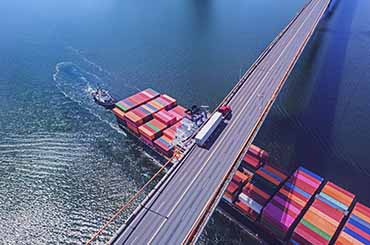
The recently announced ‘Future Made in Australia Act’ underscores the Government’s commitment to the manufacturing re-shoring objective, demonstrating a willingness to adopt an interventionist approach to safeguard and build our sovereign capabilities, ensure our competitiveness with neighbouring countries, and allies and guard against growing geo-political tensions.
The landscape of fuel tax credits (FTC) is constantly evolving due to ongoing economic and technological developments. This dynamic environment presents both challenges and opportunities for businesses with significant fuel consumption.
This analysis of Australian mid-sized manufacturers has shown a positive outlook, with average year-on-year sales growing by 6.7 per cent in 2023. This growth can predominantly be attributed to increased capital expenditure and investing into emerging technologies. The outlook is particularly promising for business with revenue over $100m, whose scale has supported ongoing success through stronger forecasting linked to better pricing agreements and growing market shares due to their steady inventory.
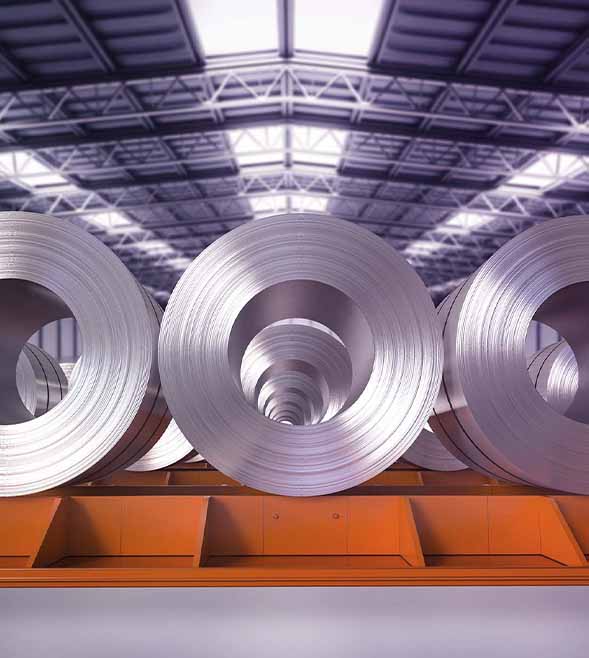
Australia's commitment to reducing carbon emissions is taking a powerful step forward with the proposed green tariff. New regulation has been proposed by Australia's Climate Change Minister, Chris Bowen, through the implementation of a carbon border adjustment mechanism on steel and cement imports. Designed to ensure a level playing field for our domestic manufacturers, this initiative could reshape the business landscape by increasing costs on imports and emphasising environmental compliance.
Although tech-enabled businesses are increasingly attractive for investors, many Early Stage Innovation Companies (ESICs) face stiff competition for investor capital. That’s why the Australian Government’s ESIC measures to incentivise investment in these companies are key to supporting the Federal Government’s sovereign manufacturing innovation agenda.
While Net Zero targets have been on the agenda for years now, we’ve recently seen a rise in measures along the regulatory landscape. Across the globe, there’s been significant public and private investment to support and encourage sustainable practices, implement carbon policy, develop taxes on carbon footprint and plastic use, and more. In a rapidly changing regulatory environment where exporters need to adapt to new measures implemented across multiple jurisdictions, how can Australian businesses adapt? And what tax reforms can businesses expect domestically?
While manufacturing has shown resilience and agility to pivot in the face of the pandemic, the pathway to the solidly Australia-based manufacturing capability the Albanese Government’s seeks, where we are able to “build what we need” and “rebuild our proud manufacturing industry”, is still somewhat unclear.
Australia needs a strong innovation and R&D led agenda to grow our current economic standing and develop new competitive industries to drive productivity into the future. With the Government due to hand down the 2022-2023 Federal Budget on 25 October, our experts have provided their insights about what innovation measures we can expect to see from the new Government.
Australia has relied heavily on businesses and consumers to lead the way on emissions reduction to tackle climate change. Several Australian states have had to develop their own policies and roadmaps to progress the clean energy transition and enable private sector investment outside the national framework. This presents risks and challenges if not managed carefully.
Australian manufacturers have been through difficult times, particularly with the shutdown of the automotive industry, but remaining businesses are proving to be agile and resilient having already battled through lots of challenges. In addition, the accelerating pace of new technologies being introduced, combined with COVID-19 disruption and the Government’s substantial industry support, many manufacturing business models have been fundamentally challenged for the better.
With rising supply chain costs and disruptions on a global scale as a result of the pandemic, Australia has been a prime example of resilience by increasing reliance on domestic products to minimise shortages. Although we’ve increased the supply of Australian products, some organisations struggle to compete with global sellers. As supply chains slowly ease back into a pre-pandemic rhythm and import capabilities open back up to their full potential, to compete on a global scale more efficiently, this creates an opportunity to consider where trade policies via tariffs and quotas could be applied to even out the playing field.
Guidelines for the MMI Manufacturing Collaboration Stream have just been released.