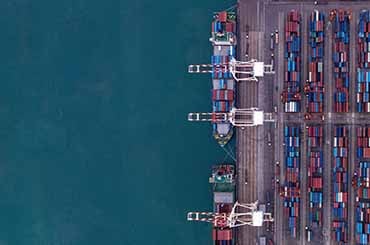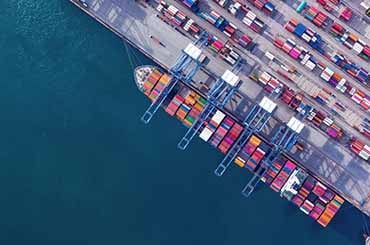
Tariffs on emissions-intensive imports are expected to be introduced to adhere to the Government’s proposed emission targets. Climate Change and Energy Minister Chris Bowen put forward a proposal to enforce pollution caps on the country’s 215 biggest emitters, with the view to reduce their greenhouse output by 5 per cent a year until 2030. There’s no doubt that these emission targets are aggressive – but with penalties in place if organisations don’t comply, we expect to see a positive impact on the adoption of sustainable practices across businesses, manufacturing processes and along the supply chain.
With less than one week to go until Labor hands down its first Federal Budget, it will be interesting to see what the Government will do to help set up the future of Australia. Our economy – like many others around the world – is still experiencing supply chain pressures, and with a potential global recession looming, there are some steps the Government could take to ensure Australia’s economic strength over the long term.
We’ve seen first-hand the challenges facing builders, developers, financiers and key stakeholders in this unprecedented environment and the innovative ways they are managing the rising input prices and project delays.
We explore the different market segments in the construction industry during the COVID building boom to better understand the profile of industry participants most likely to feel the sting of continuing supply chain pressure.
The August 2021 figures have confirmed that we are in the midst of an unexpected real estate boom, with national house prices up 18.4% year on year according to CoreLogic’s results – the fastest annual price growth since 1989. In the eighteen months since COVID-19 first presented in Australia, it’s fair to say that the initial chorus of gloomy predictions for real estate and construction didn’t come to pass, and thankfully have proven to be well off the mark.