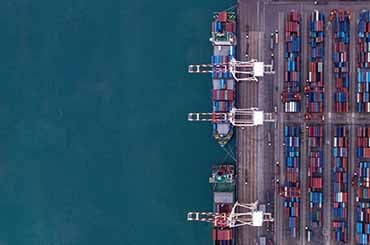
The USA is preparing reforms to its de minimis exemptions, a change that could significantly affect Australian retailers selling goods manufactured in China and exporting to the USA. With higher tariffs and stricter customs regulations on the horizon, businesses may face increased costs and compliance challenges, requiring a reassessment of supply chain strategies.
Filter insights by:
Showing 12 of 45 content results
While the retail industry has faced significant challenges due to COVID-19, it also showed significant resilience and adaptability throughout the pandemic. From changes in demand to major supply chain issues and labour market uncertainties, the last three years have tested the innovation and adaptability of businesses. Through a comprehensive retail benchmarking analysis of the past three years, we gained valuable insights into the industry's evolution from 2021 to 2023.
After attending the NRF 2023 conference: Retail’s ‘Big Show’ in New York, our key takeaway was that Retailers are not only encouraged but expected to connect with their customers through the pillars of communities, capital and climate. Watch our seminar video, as we discuss how organisations are optimising client experiences, supporting their human capital and leveraging technology and data to drive efficiencies.
With online grocery purchases continuing to grow as we emerge from the pandemic, retailers are faced with the challenge of expanding their digital services — whether that be on their own, through a third-party delivery provider or some combination of both.
It is clear that consumers are demanding more from retail brands. Today our relationships with retail companies has moved past the transactional buy and sell contract, to one that has growing demands around transparency, diversity and good citizenship.
Whilst Covid-19 accelerated the growth of online retail, we can expect something of a post-pandemic rebirth of physical stores. Humans are social creatures. We like to interact. To look and feel. To experience.
Driven by a series of algorithms and informed by your business and market data, our Space Optimisation Tool generates the ideal footprint for your entire store base, and the optimal allocation of space to categories and departments within each store.
After two years of upheaval, consumers are finally looking beyond the pandemic. With lockdowns now in the rear-view mirror, retailers have enjoyed relatively normal trading over the past several months and sales remain well above pre-pandemic levels. But how long will this continue? And what trends should we expect to see impacting retail in 2022?
In this podcast, Tax Partners Michael Catterall and Lorena Sosa discuss aspects Australian businesses should consider when exploring new international markets, including operations and logistics, strategy planning, customs and duties, and tax complexities.
The ongoing importance of physical stores in the retail sector cannot be emphasised more than by observing the actions of the world’s largest e-commerce retailer, Amazon.
We are seeing the emergence of a new type of shopping experience. One where shopping, restaurants and entertainment all come together to provide the ultimate consumer experience - some of our major centers such as Chadstone & Doncaster are already taking this approach.
For the retail industry, the common theme has been the shifting power away from retailers to both consumers, and employees.