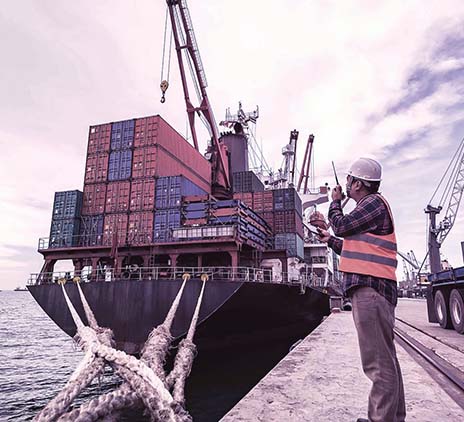
The pandemic, the global shipping crisis and the shock of Russia’s invasion of Ukraine drove hard-pressed customs and trade professionals to focus almost entirely on reducing risk and ensuring continuity of supply. But recent evidence of improving supply conditions means that pressures on customs teams are finally beginning to normalise.
Filter insights by:
Showing 12 of 86 content results
The recent reintroduction of tariffs by the US Government has created significant challenges for Australian businesses engaged in international trade.
US tariff changes are adding pressure on Australian businesses, with higher costs, supply chain disruptions, and new trade restrictions. With additional tariffs on imports from China and Hong Kong, businesses need to rethink pricing, sourcing, and operations to stay competitive.
The ATO is cracking down on tax avoidance in the property sector, focusing on international related-party financing. With increased enforcement until 2028, private groups must review their funding structures to ensure compliance and avoid penalties.
The ATO has tightened exemption criteria for country-by-country reporting, effective January 1, 2024. Taxpayers will need to submit more information, aligning with the ATO's focus on international tax risks and local file reporting.
The ATO has increased local file reporting requirements to better understand international tax risks. These changes apply from 1 January 2025, for periods starting on or after 1 January 2024. CbCREs will need more time and resources to comply.
Australia's Parliament has passed the Pillar Two rules, aligning with the OECD's global initiative to establish a 15% minimum tax rate for large multinational enterprises (MNEs).
Australia's new Public Country-by-Country reporting law, effective 1 July 2024, mandates multinationals to disclose financial activities, tax practices, and profit allocation per country.
The USA is preparing reforms to its de minimis exemptions, a change that could significantly affect Australian retailers selling goods manufactured in China and exporting to the USA. With higher tariffs and stricter customs regulations on the horizon, businesses may face increased costs and compliance challenges, requiring a reassessment of supply chain strategies.
On 9 August 2024, the ATO sought to appeal a decision exempting PepsiCo from RWHT, highlighting its focus on taxing embedded royalties, IP, and applying DPT.
Following the recent removal of tariffs on Australian wine by China, the industry is keen to rebuild relations and explore the right export markets. This presents Australian wine producers with a chance to reassess their position in the global market.
In 2015, the Australian government introduced the concept of a Significant Global Entity (SGE). Even if an Australian company has relatively small operations in Australia, it may still be considered an SGE if it part of a group with large turnover. Watch now as Vince Tropiano and Jessica Brass discuss the key issues to be aware of in respect to SGEs.