For many mid-sized businesses, greenhouse gas emissions are still viewed as something that only matters to large corporates subject to mandatory sustainability reporting. If you're not required to prepare a sustainability report, it can be difficult to justify investing time and resources measuring emissions, but increasingly, customers may ask you to.
Filter insights by:
Showing 12 of 21 content results
Explore tax strategies to manage labour, fuel, import and cash flow pressures in construction.
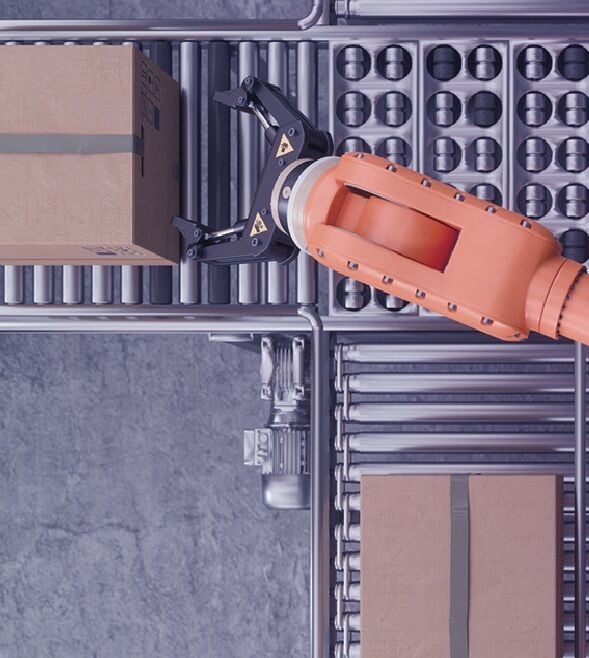
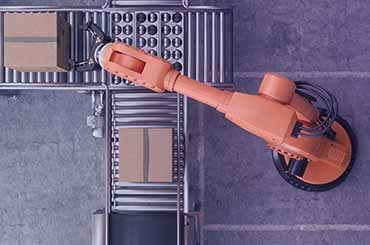
Automation is increasingly becoming a leadership issue rather than an operational one. Organisations investing successfully are not simply automating tasks: they’re building more scalable, resilient, and future-ready supply chain capabilities.
Today’s business leaders navigating Australia’s M&A landscape need to look beyond short‑term performance and financial metrics alone. What matters most to investors is a strong, scalable and defensible business, particularly in an environment shaped by geopolitical and economic uncertainty. Increasingly, ESG and sustainability considerations are not add‑ons, but core to business strategy and long‑term value creation.
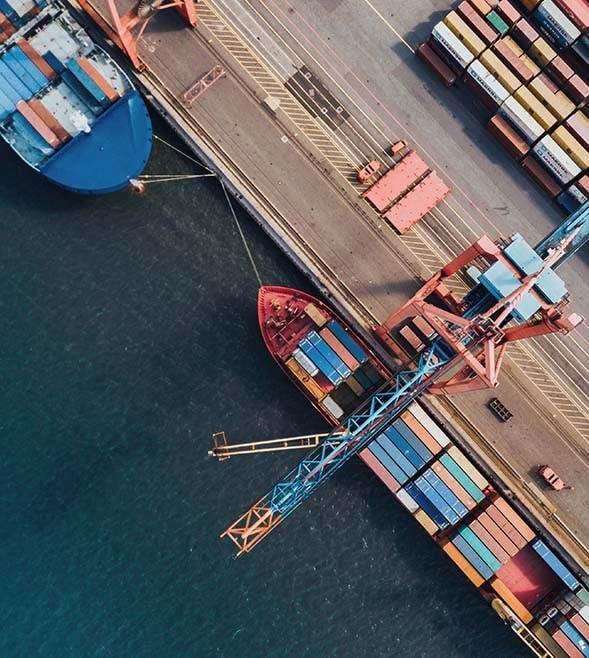
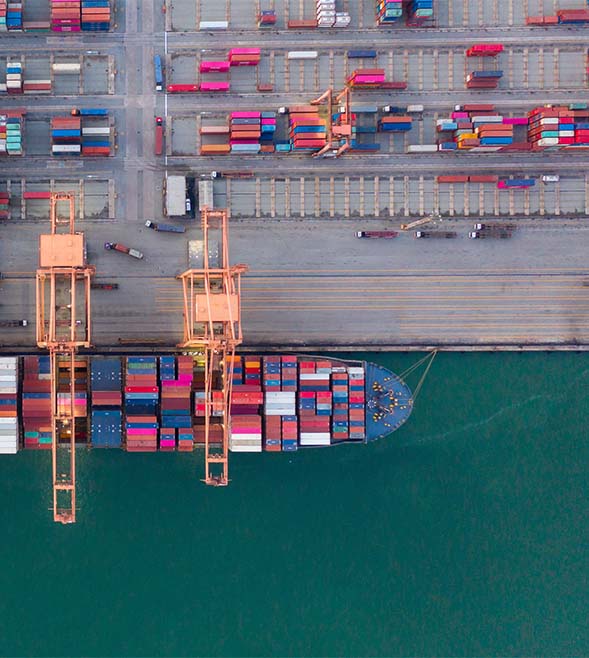
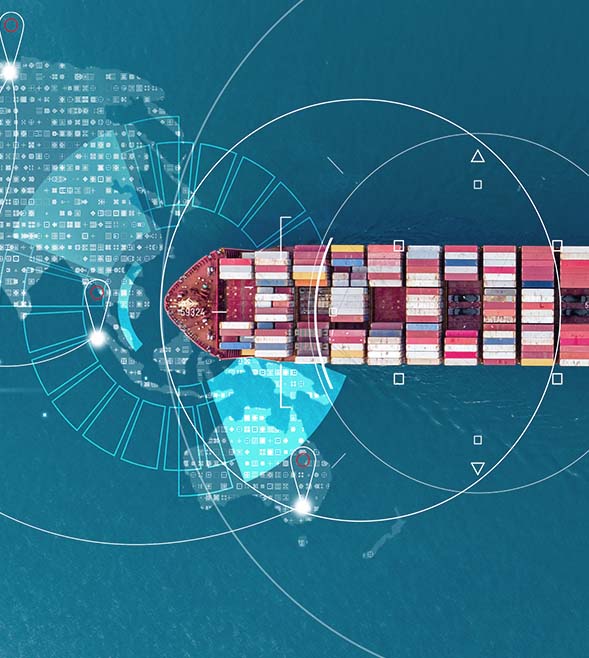
Geopolitical shocks are reshaping supply chains – what this means for tax, trade, GST and Incoterms control.
US tariffs and IEEPA changes impacts on Australian exporters and trade compliance.
What Australia’s Carbon Leakage Review means for trade, imports and business costs
Unlock ATT accreditation to boost trade compliance, speed, and global market access.
US tariffs 2025: Impact on Australian exports, trade strategy & customs review insights.
Aligning automation with business strategy is crucial for creating future-ready supply chains. Emphasising flexibility, scalability, and simplicity in automation solutions enhances efficiency and adaptability while meeting evolving customer demands.
The biotech industry faces significant challenges, including regulatory pressures, supply chain disruptions, rising costs and shifting investment landscapes.
US tariff changes are adding pressure on Australian businesses, with higher costs, supply chain disruptions, and new trade restrictions. With additional tariffs on imports from China and Hong Kong, businesses need to rethink pricing, sourcing, and operations to stay competitive.