To minimise the impact of fraud in Australia and globally, we are promoting anti-fraud awareness and education with a series of articles during International Fraud Awareness Week. This article is the first in our series and takes a closer look at the most commonly experienced types of fraud, the warning signs, and fraud detection.
The Association of Certified Fraud Examiners (ACFE) estimates that organisations lose 5 percent of revenue to fraud each year.1
The median loss per fraud case in the Australia-Pacific region is estimated to be $121,000 and cases typically last 12 months before detection.2
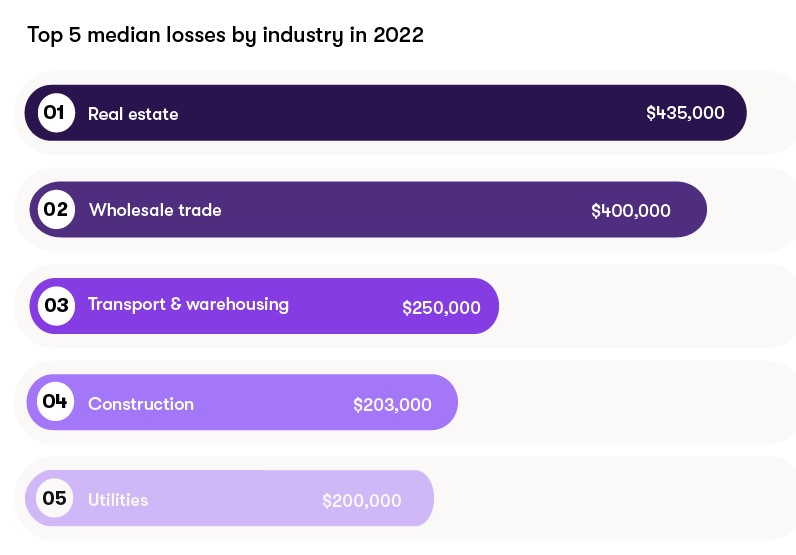
According to a study by the ACFE, the top 5 median losses by industry in 2022 were:
![]()
Common Types of Fraud
Most common type of fraud scheme globally (however least costly): Asset Misappropriation
Least common type of fraud scheme globally (however most costly): Financial Statement Fraud
Common types of fraud that we typically see on our engagements include:
- Financial Statement Fraud occurs when an organisation intentionally misrepresents information in their financial statements to create a false representation of the organisation’s financial results, for example, to gain interest from investors or to achieve a higher sale price.
- Embezzlement occurs where a person, often an employee, commits theft or misappropriation of funds in a position of trust to gain a personal financial advantage.3
- Payroll fraud is the act of manipulating the payroll system to steal funds that employees are legally entitled to.
- Technology fraud involves the theft of devices or resources to obtain information to facilitate the misappropriation of funds. It may include business email compromises, ransomware and phishing schemes.
- Tax fraud occurs where entities intentionally falsify information to reduce their taxation liability.
Warning Signs
According to the ACFE4, key warning signs of fraud include:
- Fraudsters living beyond their means
- Financial difficulties
- Unusually close association with a vendor or customer
- Issues with control and unwillingness to share duties
- Irritability, suspiciousness or defensiveness
- Bullying or intimidation
- Family problems such as divorce
- “Wheeler-dealer” attitude
Organisations with the fewest employees typically had the highest median loss, and long-tenured fraudsters (with greater than 10 years) stole three times as much, took longer to detect, and were likely to collude with multiple perpetrators.5
Fraud Detection
The most common method of fraud detection was tips, which made up 42 per cent of all fraud detected, with half of the tips coming from employees.6
Organisations with hotlines were able to detect the fraud more quickly and reduce their losses.
Nearly half of the fraud cases occurred due to lack of controls or override of existing controls,7 so it is more important than ever to undertake a regular review of internal controls.
Upcoming Articles
The following articles take a deeper dive into key topic areas of fraud:
- Utilising the Fraud Triangle through Internal Audit
- Fraud in the age of Cybersecurity
- Accounts Payable and Payroll Employee Fraud: Identification, Detection and Prevention