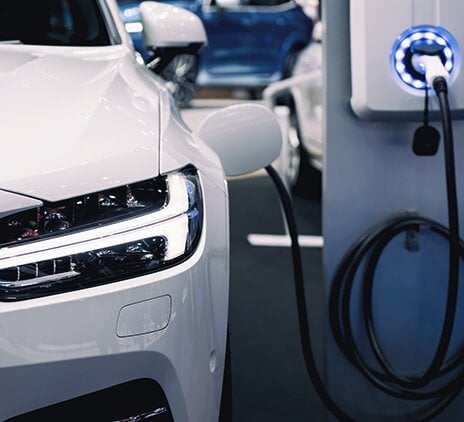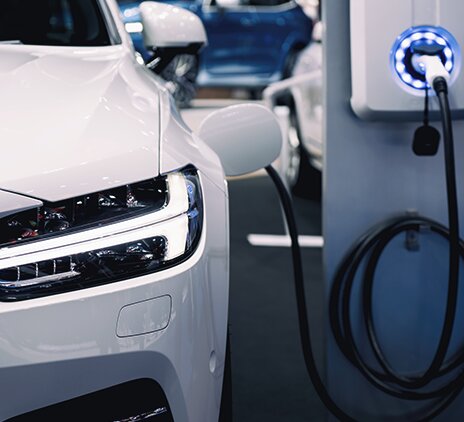
The ATO has recently released guidance to assist in determining the application of the FBT exemption for EVs. There is some helpful clarification provided, but a few other areas remain ambiguous. Here are some of the highlights.
Legislation for the long awaited FBT exemption for electric vehicles has finally passed through the Senate. A few amendments moved by the Greens were agreed to by the Government in order to get the legislation through. Here is a summary of the new rules.
There were changes made to both Superannuation Guarantee (SG) contributions and Single Touch Payroll Phase 2 (STP2) reporting from 1 July 2022. Here’s what you need to know to avoid common errors.
Are you a Director? Has your company met its PAYG, GST and Superannuation obligations? If not, you could be personally liable for these amounts.
The Senate committee charged with reviewing the government’s proposed new legislation for the exemption from fringe benefits tax (FBT) for electric vehicles (EVs) has now handed down its report.
The Government today introduced draft legislation to give effect to a pre-election promise to exempt (non-luxury) electric cars from fringe benefits tax (FBT). In further good news, hybrid electric cars have now been added to the exemption – we assume due to the extreme wait times for new electric cars at the moment, which would otherwise have significantly dampened the effect of the new law.
Many people are getting excited about the Government’s pre-election promise to exempt electric cars from Fringe Benefits Tax (FBT) as of 1 July 2022. But before you rush to order your new vehicle, there are a few considerations for you to take into account. While this measure is expected to take effect shortly, there is no legislation for this yet – not even in draft – and parliament’s next sitting days have not been announced. This means any new legislation will no doubt need to be retrospective to have effect from 1 July 2022.
The ATO has recently issued a new class ruling expanding on what products qualify as a ‘portable electronic device’ for FBT exemption purposes. In addition to devices that were designed to operate as a small, portable complete unit without an external power supply such as laptops, mobile phones and similar devices, the new ruling extends to include portable display monitors that run in connection with phones, tablets, etc. Espresso Displays were an instrumental part of the process, having obtained the ruling for their portable screens.
Businesses and employees have embraced the positive impact of working from home and the value in being agile in response to potential restrictions or COVID-19 variants. But as organisations discuss ongoing flexible work arrangements, and the support and equipment to allow employees to work from home, what Fringe Benefits Tax (FBT) implications, concessions and exemptions should be considered?
Both the ATO and the State Revenue Offices have a number of focus areas putting employment taxes squarely on the agenda again.
As of 1 July 2021 it is now a criminal offence for Victorian employers to deliberately underpay employees or dishonestly withhold their entitlements.
With recent economic changes and COVID-19-related measures, the ATO has recently revised a couple of its rulings.