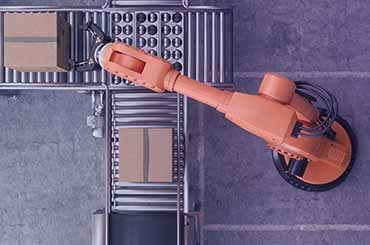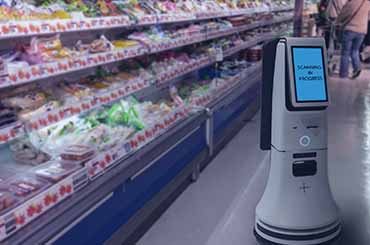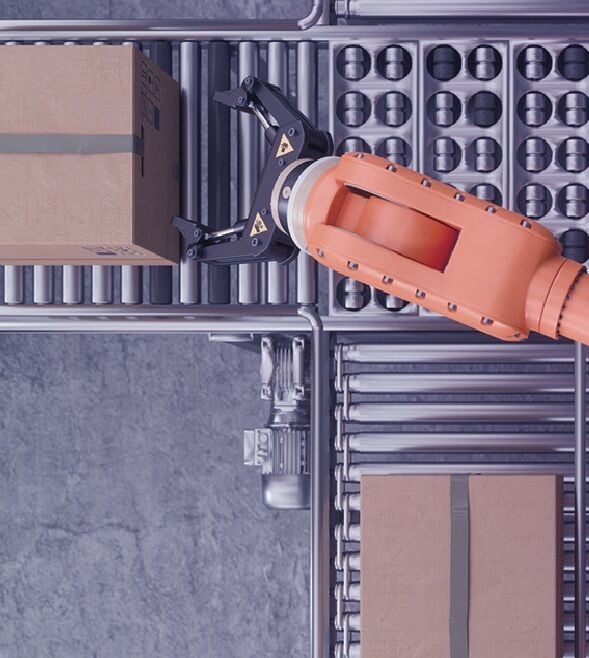
Automation is increasingly becoming a leadership issue rather than an operational one. Organisations investing successfully are not simply automating tasks: they’re building more scalable, resilient, and future-ready supply chain capabilities.
Filter insights by:
Showing 6 of 6 content results
Rising labour costs, increasingly complex supply chains, higher expectations and the demands of omnichannel retail are becoming embedded structural costs that are reshaping how retailers operate and scale
Aligning automation with business strategy is crucial for creating future-ready supply chains. Emphasising flexibility, scalability, and simplicity in automation solutions enhances efficiency and adaptability while meeting evolving customer demands.
Retailers are re-evaluating procurement strategies for not for resale goods in response to ongoing global crises, emphasising cost control, vendor consolidation, and resilience. By shifting procurement from a tactical to a strategic role, retailers can improve transparency, secure better rates, and enhance service levels.
As Retailers face increasing pressure to enhance efficiency and reduce costs, Robots as a Service (RaaS) is emerging as a game-changer in warehouse automation. Offering a scalable, subscription-based model, RaaS allows businesses to integrate cutting-edge robotics without the burden of upfront investment.
Australians are currently struggling with cost-of-living increase including essential goods such as housing, utilities, petrol and groceries. Consequently, household budgets are being altered across the country to tighten spending and temporarily alleviate financial pressures.