Despite a decrease in M&A deal volumes and IPO activity in the face of economic uncertainty, Australia’s retail sector remains appealing to investors. Through our analysis of Australian retail M&A and equity markets in the 18 months to 31 December 2023, we saw the retail sector face a mix of challenges and opportunities.
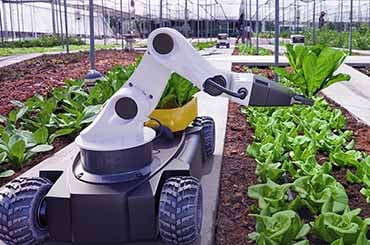
Despite a 14% global decline in Agribusiness, Food, and Beverage M&A deals, 2024 shows promise with expected global interest rate stabilisation. Given the sector's role in global sustainability, businesses can tap into opportunities in food manufacturing and waste minimisation.
Explore 2023 Division 7A loan rates, compliance, and tax impacts.
Driven by consumer demand, Australia's food and beverage manufacturing sector has seen a rise in health-focused businesses. Despite market growth, challenges like supply disruptions persist, leading to notable insolvencies in 2023. We've observed a notable increase in interest from over 100 potential acquirers for brands aligned with healthier products. But timing is critical for struggling businesses – early intervention and strategic planning are key.
M&A deal volumes and IPOs are down during economic uncertainty – but that hasn’t stopped Australia being an attractive investment opportunity.
To ensure effective integration and outputs, alongside financial viability of new renewable projects, developers, owners, asset managers, energy retailers and investors need to understand the impacts for new and existing projects caused by grid congestion and supply and demand fluctuations.
Over the past 18 months, we have seen a consistent level of deal activity despite significant headwinds which have impacted the Agribusiness, Food & Beverage (Ag, F&B) sector and the broader economy. Through our analysis of 1,466 global transactions for the Ag, F&B sector in the 18-month period to December 2022, transaction multiples have remained strong – a pleasing result for businesses undertaking divestment activity.
We’ve made it to the other side of COVID-19, but what does this mean for businesses feeling significant headwind on the horizon post-pandemic?
Considering Australia’s significant fintech and financial sector experience, it’s no surprise Victoria’s recent Intersekt Festival focused on leveraging Australia’s fintech market to its full potential.
While Australia has shown strong acquirer appetite and businesses from all industries are finding great success and outstanding returns with their acquisition and divestment strategies, M&A activity now faces an uncertain future.
When it comes to M&A transactions, businesses can often be eligible for GST refunds – but how do you determine if this is the case, and how much is recoverable? In our latest Tax in M&A series, we look at a threshold test that can be applied to transactions whereby businesses only make limited financial supplies. But there is a limit to how much GST can be claimed back when the Financial Acquisitions Threshold (‘FAT’) has been exceeded.
There have been pressure systems gathering momentum along two fronts. Whilst they have largely gone unnoticed by many in the industry, collisions between the two have occurred and left some casualties in the M&A space. Previously, it was regarded by many deal-makers that employer obligations were quite low in risk. However, multiple enforcement agencies are focusing on unpaid employee entitlements and contract hire labour. The uptick in compliance activity has coincided with growth in the M&A space, leading many to believe there are huge levels of unquantified risk in the market – often not covered by warranty and indemnity insurance.