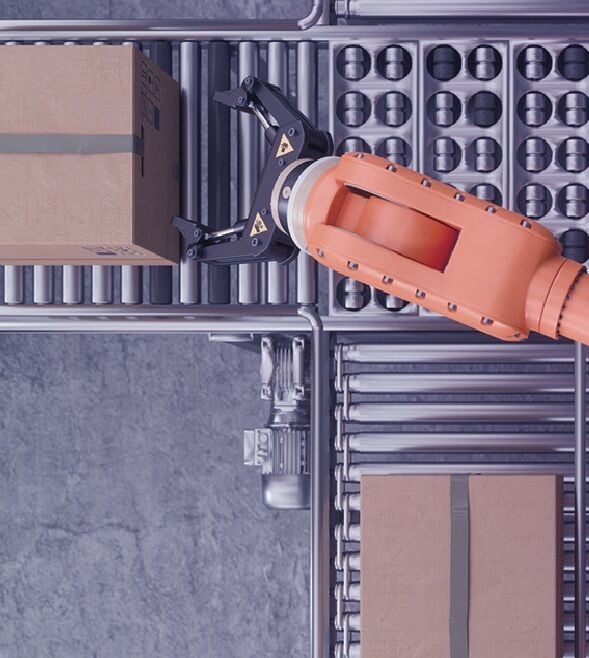
Aligning automation with business strategy is crucial for creating future-ready supply chains. Emphasising flexibility, scalability, and simplicity in automation solutions enhances efficiency and adaptability while meeting evolving customer demands.
The retail landscape is undergoing rapid transformation, reshaping consumer expectations and industry dynamics. To remain competitive, retailers need to carefully consider their value propositions and be on the front foot with innovative solutions.
A strong festive season, driven by Black Friday and year-end sales, has set a positive tone for retail in 2025. However, shifting consumer behaviours, economic uncertainty, and global trade dynamics present challenges that retailers must navigate. Success in 2025 will require agility, innovation, and a strong focus on consumer engagement and strategic pricing.
Australian retailers faced a challenging 2024, with rising costs and reduced consumer spending power. As 2025 shapes up to be another tough year, an end-to-end approach to profitability is key. From optimising supply chains to rethinking product strategies, breaking down silos allows retailers to make holistic decisions that support tangible results. Discover how integrated profitability reviews can help you drive resilience.
Black Friday results so far point to a strong festive season ahead for retailers. Consumers are balancing growing confidence with a focus on value and quality, while mobile commerce and strategies like personalisation are driving growth. Retailers must adapt to maintain this momentum, prioritising new product launches and standout experiences in December.
In today’s competitive retail landscape, consumers expect more value than ever. From affordable options to personalised experiences, the challenge for retailers is clear: how to consistently meet and exceed these expectations.
Retailers are re-evaluating procurement strategies for not for resale goods in response to ongoing global crises, emphasising cost control, vendor consolidation, and resilience. By shifting procurement from a tactical to a strategic role, retailers can improve transparency, secure better rates, and enhance service levels.
Rising costs, supply chain disruptions, and shifting consumer behaviour are pushing many retailers to the edge. Taking immediate action to reduce operational expenses and prioritise cash flow management can give businesses the breathing room they need. Retailers must adapt quickly to survive these challenging market conditions and avoid insolvencies.
As Retailers face increasing pressure to enhance efficiency and reduce costs, Robots as a Service (RaaS) is emerging as a game-changer in warehouse automation. Offering a scalable, subscription-based model, RaaS allows businesses to integrate cutting-edge robotics without the burden of upfront investment.
The USA is preparing reforms to its de minimis exemptions, a change that could significantly affect Australian retailers selling goods manufactured in China and exporting to the USA. With higher tariffs and stricter customs regulations on the horizon, businesses may face increased costs and compliance challenges, requiring a reassessment of supply chain strategies.
While the retail industry has faced significant challenges due to COVID-19, it also showed significant resilience and adaptability throughout the pandemic. From changes in demand to major supply chain issues and labour market uncertainties, the last three years have tested the innovation and adaptability of businesses. Through a comprehensive retail benchmarking analysis of the past three years, we gained valuable insights into the industry's evolution from 2021 to 2023.
Despite a decrease in M&A deal volumes and IPO activity in the face of economic uncertainty, Australia’s retail sector remains appealing to investors. Through our analysis of Australian retail M&A and equity markets in the 18 months to 31 December 2023, we saw the retail sector face a mix of challenges and opportunities.